
“Locke sank into a swoon;
The Garden died;
God took the spinning-jenny
Out of his side.”
W.B. Yeats book The Tower
Fragments http://poetry.poetryx.com/poems/1484/, I <br class="br">The Tower (1928)
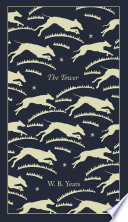
The Tower is a book of poems by W. B. Yeats, published in 1928. The Tower was Yeats's first major collection as Nobel Laureate after receiving the Nobel Prize in 1923. It is considered to be one of the poet's most influential volumes and was well received by the public.The title, which the book shares with the second poem, refers to Ballylee Castle, a Norman tower which Yeats purchased and restored in 1917. Yeats Gaelicized the name to Thoor Ballyllee, and it has retained the title to this day. Yeats often summered at Thoor Ballylee with his family until 1928.The book includes several of Yeats' most famous poems, including "Sailing to Byzantium," "Leda and the Swan," and "Among School Children."
“Locke sank into a swoon;
The Garden died;
God took the spinning-jenny
Out of his side.”
W.B. Yeats book The Tower
Fragments http://poetry.poetryx.com/poems/1484/, I <br class="br">The Tower (1928)
W.B. Yeats book The Tower
The Tower http://poetry.poetryx.com/poems/1700/, I <br class="br">The Tower (1928)
“Whatever flames upon the night
Man’s own resinous heart has fed.”
W.B. Yeats book The Tower
II, st. 2 <br class="br">The Tower (1928), Two Songs From a Play http://poetry.poetryx.com/poems/1741/
W.B. Yeats book The Tower
V, st. 1 <br class="br">The Tower (1928), Nineteen Hundred And Nineteen http://poetry.poetryx.com/poems/1547/
W.B. Yeats book The Tower
III, st. 3 <br class="br">The Tower (1928), Nineteen Hundred And Nineteen http://poetry.poetryx.com/poems/1547/
W.B. Yeats book The Tower
Youth And Age http://poetry.poetryx.com/poems/1762/ <br class="br">The Tower (1928)
“O what fine thought we had because we thought
That the worst rogues and rascals had died out.”
W.B. Yeats book The Tower
I, st. 2 <br class="br">The Tower (1928), Nineteen Hundred And Nineteen http://poetry.poetryx.com/poems/1547/
“Does the imagination dwell the most
Upon a woman won or woman lost?”
W.B. Yeats book The Tower
The Tower, II, st. 13
The Tower (1928)
“Odour of blood when Christ was slain
Made all platonic tolerance vain
And vain all Doric discipline.”
W.B. Yeats book The Tower
II, st. 1 <br class="br">The Tower (1928), Two Songs From a Play http://poetry.poetryx.com/poems/1741/
W.B. Yeats book The Tower
Wisdom http://poetry.poetryx.com/poems/1759/ <br class="br">The Tower (1928)
W.B. Yeats book The Tower
Leda and the Swan http://poetry.poetryx.com/poems/1523/, st. 3 <br class="br">The Tower (1928)
W.B. Yeats book The Tower
V, st. 4 <br class="br">The Tower (1928), Nineteen Hundred And Nineteen http://poetry.poetryx.com/poems/1547/
W.B. Yeats book The Tower
V, st. 2 <br class="br">The Tower (1928), Nineteen Hundred And Nineteen http://poetry.poetryx.com/poems/1547/
W.B. Yeats book The Tower
V, st. 3 <br class="br">The Tower (1928), Nineteen Hundred And Nineteen http://poetry.poetryx.com/poems/1547/
W.B. Yeats book The Tower
St. 3 <br class="br">The Tower (1928), Sailing to Byzantium http://poetry.poetryx.com/poems/1575/
W.B. Yeats book The Tower
I, st. 4 <br class="br">The Tower (1928), Nineteen Hundred And Nineteen http://poetry.poetryx.com/poems/1547/
“O body swayed to music, O brightening glance,
How can we know the dancer from the dance?”
W.B. Yeats book The Tower
Among School Children http://poetry.poetryx.com/poems/1437/, st. 8 <br class="br">The Tower (1928) <br class="br">Context: Labour is blossoming or dancing where<br>The body is not bruised to pleasure soul.<br>Nor beauty born out of its own despair,<br>Nor blear-eyed wisdom out of midnight oil.<br>O chestnut-tree, great-rooted blossomer,<br>Are you the leaf, the blossom or the bole?<br>O body swayed to music, O brightening glance,<br>How can we know the dancer from the dance?
“What matter that no cannon had been turned
Into a ploughshare?”
W.B. Yeats book The Tower
I, st. 3 <br class="br">The Tower (1928), Nineteen Hundred And Nineteen http://poetry.poetryx.com/poems/1547/ <br class="br">Context: All teeth were drawn, all ancient tricks unlearned,<br>And a great army but a showy thing;<br>What matter that no cannon had been turned<br>Into a ploughshare?
“Labour is blossoming or dancing where
The body is not bruised to pleasure soul.”
W.B. Yeats book The Tower
Among School Children http://poetry.poetryx.com/poems/1437/, st. 8 <br class="br">The Tower (1928) <br class="br">Context: Labour is blossoming or dancing where<br>The body is not bruised to pleasure soul.<br>Nor beauty born out of its own despair,<br>Nor blear-eyed wisdom out of midnight oil.<br>O chestnut-tree, great-rooted blossomer,<br>Are you the leaf, the blossom or the bole?<br>O body swayed to music, O brightening glance,<br>How can we know the dancer from the dance?
W.B. Yeats book The Tower
St. 4 <br class="br">The Tower (1928), Sailing to Byzantium http://poetry.poetryx.com/poems/1575/ <br class="br">Context: Once out of nature I shall never take<br>My bodily form from any natural thing,<br>But such a form as Grecian goldsmiths make<br>Of hammered gold and gold enamelling<br>To keep a drowsy Emperor awake;<br>Or set upon a golden bough to sing<br>To lords and ladies of Byzantium<br>Of what is past, or passing, or to come.


