Quotes from bookThe Last Temptation of Christ
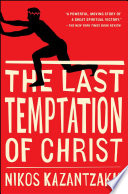
The Last Temptation of Christ or The Last Temptation is an historical novel written by Nikos Kazantzakis, first published in 1955. It was first published in English in 1960. The Holy Synod of the Greek Orthodox Church in Athens wanted this book banned in Greece stating:

Nikos Kazantzakis book The Last Temptation of Christ
Source: The Last Temptation of Christ (1951), Ch. 10
“The more devils we have within us, the more chance we have to form angels.”
Nikos Kazantzakis book The Last Temptation of Christ
Source: The Last Temptation of Christ (1951), Ch. 10
“There is only one woman in the world. One woman, with many faces.”
Nikos Kazantzakis book The Last Temptation of Christ
Disputed
Source: This occurs in the film The Last Temptation of Christ (1988), based upon the novel by Kazantzakis, but has not been located in the novel itself.
“How can anyone see the only way the world can be saved and not be forced to weep?”
Nikos Kazantzakis book The Last Temptation of Christ
The Last Temptation of Christ (1951)
Nikos Kazantzakis book The Last Temptation of Christ
Source: The Last Temptation of Christ (1951), Ch. 10
“If you love me, be patient. Look at the trees. Are they in a hurry to ripen their fruit?”
Nikos Kazantzakis book The Last Temptation of Christ
The Last Temptation of Christ (1951)
Nikos Kazantzakis book The Last Temptation of Christ
Source: The Last Temptation of Christ (1951), Ch. 10
“The doors of heaven and hell are adjacent and identical.”
Nikos Kazantzakis book The Last Temptation of Christ
Source: The Last Temptation of Christ (1951), Ch. 18
“I said only one word, brought only one message: Love. Love — nothing else.”
Nikos Kazantzakis book The Last Temptation of Christ
The Last Temptation of Christ (1951), p. 478
“I possess no weapon but love. With that I have come to do battle. Help me!”
Nikos Kazantzakis book The Last Temptation of Christ
The Last Temptation of Christ (1951), p. 249
Nikos Kazantzakis book The Last Temptation of Christ
The Last Temptation of Christ (1951)
Context: This is the Supreme Duty of the man who struggles — to set out for the lofty peak which Christ, the first-born sone of salvation, attained. How can we begin?
If we are to follow him we must have a profound knowledge of his conflict, we must relive his anguish: his victory over the blossoming snares of the earth, his sacrifice of the great and small joys of men and his ascent from sacrifice to sacrifice, exploit to exploit, to martyrdom's summit, the Cross.


