
“One is often guilty by being too just.”
Pierre Corneille The Death of Pompey
À force d'être juste on est souvent coupable.
Photin, act I, scene i.
La Mort de Pompée (The Death of Pompey) (1642)
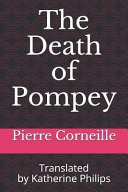
The Death of Pompey is a tragedy by the French playwright Pierre Corneille on the death of Pompey the Great. It was first performed in 1642, with Julius Caesar played by Molière. Like many of Corneille's plays, it is noted for the high tones of its heroine, Cornelia, who admits that her enemy is noble and generous but warns him when he releases her that she will continue to seek his death.
“One is often guilty by being too just.”
Pierre Corneille The Death of Pompey
À force d'être juste on est souvent coupable.
Photin, act I, scene i.
La Mort de Pompée (The Death of Pompey) (1642)
“As our self-interests differ, so do our feelings.”
Pierre Corneille The Death of Pompey
Comme nos intérêts, nos sentiments diffèrent.
Cornélie, act V, scene ii.
La Mort de Pompée (The Death of Pompey) (1642)
“It is an imprudence common to kings
To listen to too much advice and to err in their choice.”
Pierre Corneille The Death of Pompey
C'est une imprudence assez commune aux rois
D'écouter trop d'avis et se tromper au choix.
Ptolomée, act IV, scene i.
La Mort de Pompée (The Death of Pompey) (1642)
“Death was to be my glory, but destiny has refused it.”
Pierre Corneille The Death of Pompey
Ma mort était ma gloire, et le destin m'en prive.
Cornélie, act III, scene iv.
La Mort de Pompée (The Death of Pompey) (1642)
“He who punishes the vanquished fears not the victor.”
Pierre Corneille The Death of Pompey
Qui punit le vaincu ne craint point le vainqueur.
Photin, act I, scene i.
La Mort de Pompée (The Death of Pompey) (1642)
“Be it only for a day, it is still a glory without equal
To be master of the world just that day.”
Pierre Corneille The Death of Pompey
Ne durât-il qu'un jour, ma gloire est sans seconde
D'être du moins un jour la maîtresse du monde.
Cléopâtre, act II, scene i.
La Mort de Pompée (The Death of Pompey) (1642)


