
“Knowing how to keep a friend is more important than gaining a new one.”
Baltasar Gracián book The Art of Worldly Wisdom
Saberlos conservar es más que el hazerlos amigos.
Maxim 158 (p. 90)
The Art of Worldly Wisdom (1647)
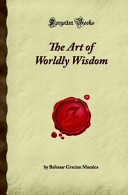
The Art of Worldly Wisdom is a book written in 1647 by Baltasar Gracián y Morales, better known as Baltasar Gracian. It is a collection of 300 maxims, each with a commentary, on various topics giving advice and guidance on how to live fully, advance socially, and be a better person, that became popular throughout Europe.
“Knowing how to keep a friend is more important than gaining a new one.”
Baltasar Gracián book The Art of Worldly Wisdom
Saberlos conservar es más que el hazerlos amigos.
Maxim 158 (p. 90)
The Art of Worldly Wisdom (1647)
“Freedom is more precious than the gift that makes us lose it.”
Baltasar Gracián book The Art of Worldly Wisdom
Más preciosa es la libertad que la dádiva, porque se pierde.
Maxim 286
The Art of Worldly Wisdom (1647)
“If you cannot make knowledge your servant, make it your friend.”
Baltasar Gracián book The Art of Worldly Wisdom
Pero el que no pudiere alcançar a tener la sabiduría en servidumbre, lógrela en familiaridad.
Maxim 15 (p. 9)
The Art of Worldly Wisdom (1647)
“The right kind of leisure is better than the wrong kind of work.”
Baltasar Gracián book The Art of Worldly Wisdom
Más vale el buen ocio que el negocio.
Maxim 247
The Art of Worldly Wisdom (1647)
Baltasar Gracián book The Art of Worldly Wisdom
Muchas cosas de gusto no se han de poseer en propiedad. … Gózanse las cosas ajenas con doblada fruición, esto es, sin el riesgo del daño y con el gusto de la novedad.
Maxim 263
The Art of Worldly Wisdom (1647)
Baltasar Gracián book The Art of Worldly Wisdom
La virtud es cosa de veras, todo lo demás de burlas. La capacidad y grandeza se ha de medir por la virtud, no por la fortuna. Ella sola se basta a sí misma. Vivo el hombre, le haze amable; y muerto, memorable.
Maxim 300 (p. 168)
The Art of Worldly Wisdom (1647)
Baltasar Gracián book The Art of Worldly Wisdom
Adelántase más la imaginación que la vista, y el engaño, que entra de ordinario por el oído, viene a salir por los ojos.
Maxim 282 (p. 159)
The Art of Worldly Wisdom (1647)
Baltasar Gracián book The Art of Worldly Wisdom
La galantería y la honra tienen esta ventaja, que se quedan: aquélla en quien la usa, ésta en quien la haze.
Maxim 118: (p. 66)
The Art of Worldly Wisdom (1647)
“Those who want to look like hard workers give the impression that they aren't up to their jobs.”
Baltasar Gracián book The Art of Worldly Wisdom
Todos los que hazen del hazendado en el empleo dan indicio de que no lo merecían.
Maxim 106 (p. 59)
The Art of Worldly Wisdom (1647)
Baltasar Gracián book The Art of Worldly Wisdom
Cásanse algunos con la primera información, de suerte que las demás son concubinas, y como se adelanta siempre la mentira, no queda lugar después para la verdad.
Maxim 227 (p. 128)
The Art of Worldly Wisdom (1647)
Baltasar Gracián book The Art of Worldly Wisdom
Unos mueren porque sienten y otros viven porque no sienten. Y assí, unos son necios porque no mueren de sentimiento, y otros lo son porque mueren de él.
Maxim 208 (p. 118)
The Art of Worldly Wisdom (1647)
Baltasar Gracián book The Art of Worldly Wisdom
No vaya por generalidades en el vivir, si ya no fuere en favor de la virtud, ni intime leyes precisas al querer, que avrá de bever mañana del agua que desprecia hoi.
Maxim 288 (p. 162)
The Art of Worldly Wisdom (1647)
Baltasar Gracián book The Art of Worldly Wisdom
El que no se hallare con ánimo de sufrir apele al retiro de sí mismo, si es que aun a sí mismo se ha de poder tolerar.
Maxim 159 (p. 90)
The Art of Worldly Wisdom (1647)
“Better to be cheated by the price than by the merchandise.”
Baltasar Gracián book The Art of Worldly Wisdom
Más vale ser engañado en el precio que en la mercadería.
Maxim 157 (p. 89)
The Art of Worldly Wisdom (1647)
“Readiness is the mother of luck.”
Baltasar Gracián book The Art of Worldly Wisdom
La presteza es madre de la dicha.
Maxim 53 (p. 30)
The Art of Worldly Wisdom (1647)
Baltasar Gracián book The Art of Worldly Wisdom
Quanto que el no creer es indicio del mentir; porque el mentiroso tiene dos males, que ni cree ni es creído.
Maxim 154 (p. 87)
The Art of Worldly Wisdom (1647)
“Do something well, and that is quickly enough.”
Baltasar Gracián book The Art of Worldly Wisdom
Harto presto, si bien.
Maxim 57 (p. 32)
The Art of Worldly Wisdom (1647)
Baltasar Gracián book The Art of Worldly Wisdom
Otros todos son ajenos, que la necedad siempre va por demasías, y aquí infeliz: no tienen día, ni aun hora suya, con tal exceso de ajenos, que alguno fue llamado “el de todos”.
Aun en el entendimiento, que para todos saben y para sí ignoran.
Maxim 252
The Art of Worldly Wisdom (1647)
“To overvalue something is a form of lying.”
Baltasar Gracián book The Art of Worldly Wisdom
El encarecer es ramo de mentir.
Maxim 41 (p. 24)
The Art of Worldly Wisdom (1647)
“The one rule for pleasing: whet the appetite, keep people hungry.”
Baltasar Gracián book The Art of Worldly Wisdom
Única regla de agradar: coger el apetito picado con el hambre con que quedó.
Maxim 299 (p. 168)
The Art of Worldly Wisdom (1647)


