
Vātsyāyana książka Kama Sutra
Źródło: Kama Sutra, p. 69
Vātsyāyana Mallanaga, forma spolszczona Watsjajana – domniemany hinduski poeta, autor Kamasutry, napisanej w sanskrycie, ówczesnym języku uczonych. Nic więcej nie wiadomo o życiu autora.
Davadatte Shastri , który opublikował w 1964 r. komentarz w języku hindi na temat Kamasutry, zbierał materiały dotyczące tożsamości Vatsyayany Mallanagi, ale nie doszło do ich wydania z powodu jego śmierci. Wikipedia
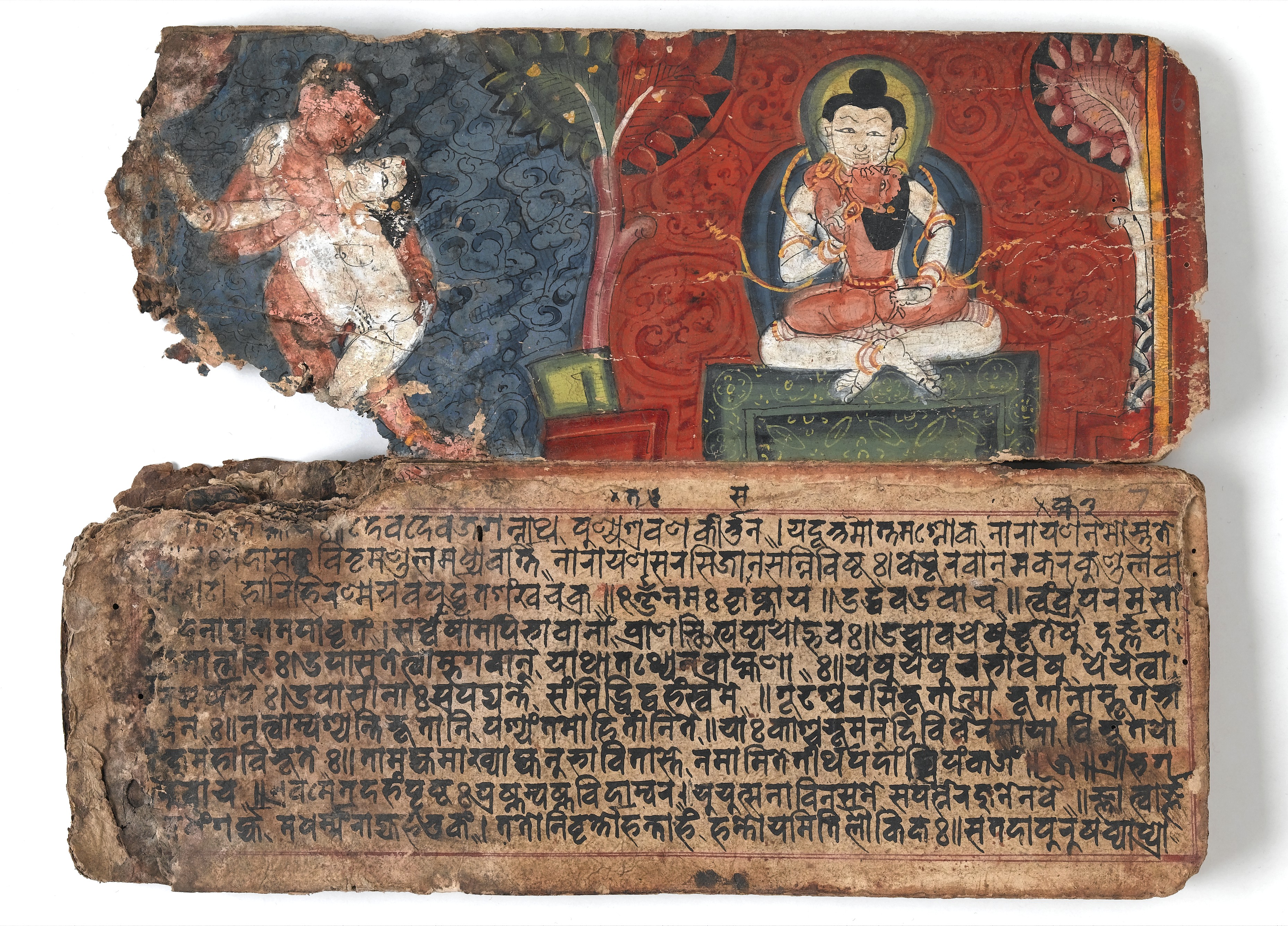
Vātsyāyana książka Kama Sutra
Źródło: Kama Sutra, p. 69
“Anything may take place at any time, for love does not care for time or order.”
Vātsyāyana książka Kama Sutra
Źródło: Kama Sutra, p. 39
“…the semen of the female falls in the same way as that of the male.”
Vātsyāyana książka Kama Sutra
Źródło: Kama Sutra, p. 33
Vātsyāyana książka Kama Sutra
Źródło: Kama Sutra, p. 50
Vātsyāyana książka Kama Sutra
Źródło: Kama Sutra, p. 13
Vātsyāyana książka Kama Sutra
Źródło: Kama Sutra, p. 96
Źródło: The Kama Sutra of Vatsyayana: Translated from the Sanskrit. In seven parts, with preface, introduction, and concluding remarks http://books.google.com/books?id=-ElAAQAAIAAJ&pg=PA18, Kama Shastra Society of London and Benares, 1883, P. 17
Vātsyāyana książka Kama Sutra
Źródło: Kama Sutra, p. 16
Źródło: Richard F. Burton The Kama Sutra of Vatsyayana http://books.google.com/books?id=p7dW_kmUX_wC&pg=PA12, WingSpan Press, 1 February 2009, p. 12
Vātsyāyana książka Kama Sutra
Źródło: Kama Sutra, p. 45
Vātsyāyana książka Kama Sutra
Źródło: Kama Sutra, p. 30
Źródło: The Kama Sutra of Vatsyayana: Translated From the Sanscrit in Seven Parts With Preface, Introduction and Concluding Remarks http://books.google.com/books?id=SbEZWRTwsToC&pg=PT27, Library of Alexandria, p. 27
Źródło: Kama Sutra , translated by Richard Francis Burton Chapter 2. Of the Embrace https://en.wikisource.org/wiki/Kama_Sutra/Part_II/Chapter_2, Wikisource
“…variety is necessary in love, so love is to be produced by means of variety.”
Vātsyāyana książka Kama Sutra
Źródło: Kama Sutra, p. 45
Źródło: "The Kama Sutra of Vatsyayana: Translated from the Sanskrit. In seven parts, with preface, introduction, and concluding remarks", p. 18
Źródło: The Kama Sutra of Vatsyayana: Translated from the Sanscrit. In seven parts, with preface, introduction, and concluding remarks http://books.google.com/books?id=-ElAAQAAIAAJ&pg=PA9, Kama Shastra Society of London and Benares, 1883, p.9
“Kama is also learnt from the Kama Sutra (aphorisms on love) and from the practice of [[citizens.”
Źródło: "The Kama Sutra of Vatsyayana: Translated from the Sanskrit. In seven parts, with preface, introduction, and concluding remarks", p. 18
Źródło: Literary Vision, p. 165
Źródło: Literary Vision, p. 164
Źródło: Literary Vision, p. 152
Źródło: Literary Vision, p. 152
Źródło: Literary Vision, p. 127
Uppaluri Gopala Krishnamurti in: The Mystique of Enlightenment: Conversations with U.G. Krishnamurti http://books.google.com/books?id=Y6efkbAiXKoC&pg=PA125, Smriti Books, 2005, p. 125
Źródło: Kama Sutra , translated by Richard Francis Burton Preface https://en.wikisource.org/wiki/Kama_Sutra/Introductory/Preface, Wikisource