Thomas Love Peacock książka Crotchet Castle
Crotchet Castle, chapter IX. Though not named, the author under discussion is clearly Sir Walter Scott.
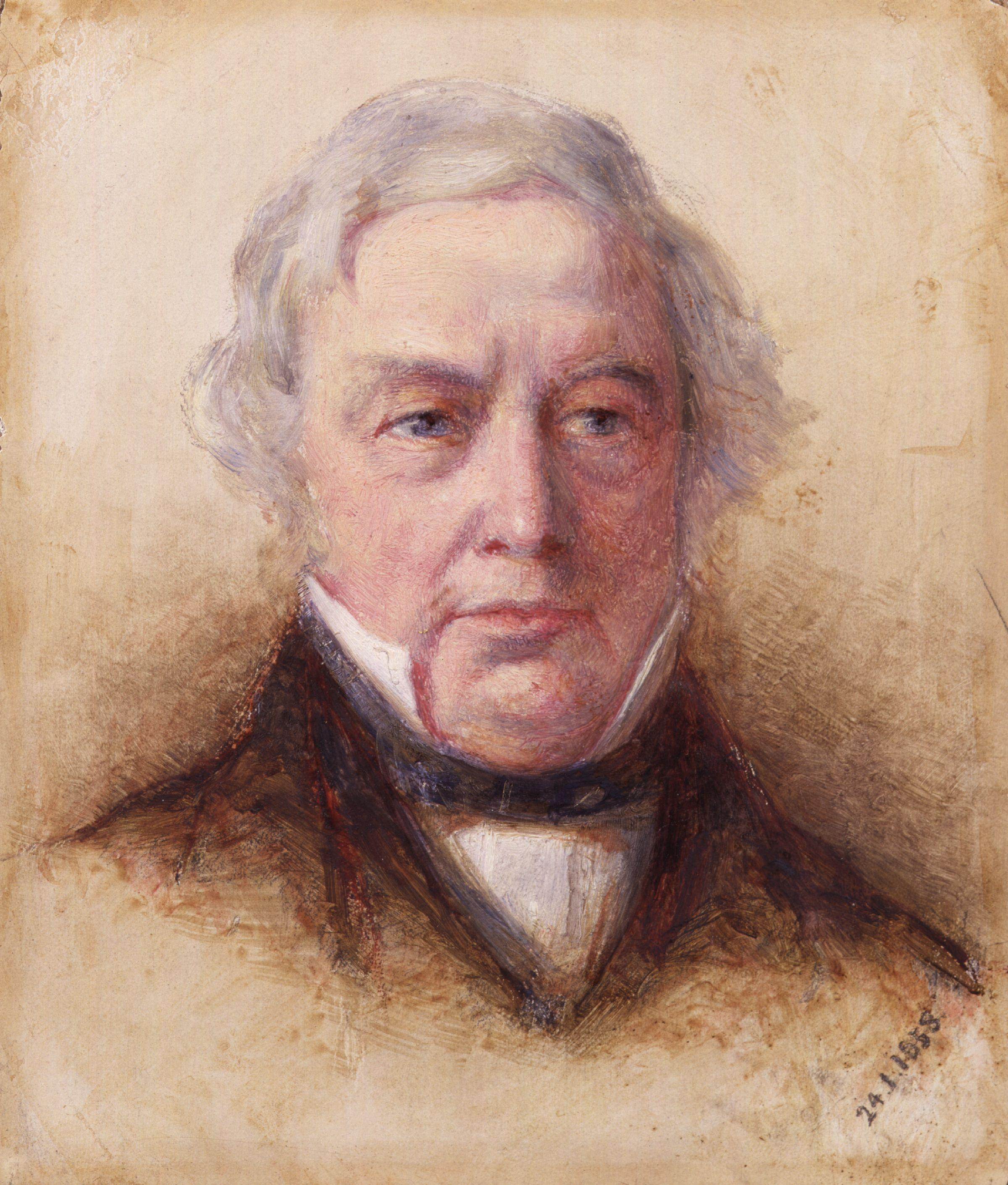
Thomas Love Peacock – angielski poeta, eseista i satyryk.
W swojej twórczości kreślił portrety znanych osobistości współczesnej sceny politycznej i kulturalnej, posługując się błyskotliwymi dialogami . Był też autorem romansów o satyrycznej wymowie, które oparł na motywach średniowiecznych podań i legend angielskich i walijskich . W swoim słynnym eseju The Four Ages of Poetry zaatakował modny wówczas romantyczny kult sztuki, czym sprowokował Percy'ego Bysshe Shelleya do równie słynnej odpowiedzi pt. Obrona Poezji . Wikipedia
Thomas Love Peacock książka Crotchet Castle
Crotchet Castle, chapter IX. Though not named, the author under discussion is clearly Sir Walter Scott.
“Marriage may often be a stormy lake, but celibacy is almost always a muddy horsepond.”
Thomas Love Peacock książka Melincourt
Melincourt, chapter VII (1817).
“Respectable means rich, and decent means poor. I should die if I heard my family called decent.”
Thomas Love Peacock książka Crotchet Castle
Crotchet Castle, chapter III (1832).
“I almost think it is the ultimate destiny of science to exterminate the human race.”
Thomas Love Peacock książka Gryll Grange
Gryll Grange, chapter XIX (1860).
“I never failed to convince an audience that the best thing they could do was to go away.”
Thomas Love Peacock książka Crotchet Castle
Crotchet Castle, chapter XVIII.
“The waste of plenty is the resource of scarcity.”
Thomas Love Peacock książka Melincourt
Melincourt, chapter XXIV.
Thomas Love Peacock książka Headlong Hall
Headlong Hall, chapter V (1816).
"The War-Song of Dinas Vawr", stanzas 1 and 3, from The Misfortunes of Elphin, chapter XI (1829). In the same chapter this is described as "the quintessence of all the war-songs that ever were written, and the sum and substance of all the appetencies, tendencies, and consequences of military glory".
Thomas Love Peacock książka Nightmare Abbey
Nightmare Abbey, chapter I (1818).
Thomas Love Peacock książka Melincourt
Melincourt, chapter XVI.