
“When we say that “the world has ended,” remember—it is usually a lie. The planet is just fine.”
N. K. Jemisin książka The Stone Sky
Prologue “me, when I was I” (p. 2)
The Stone Sky (2017)
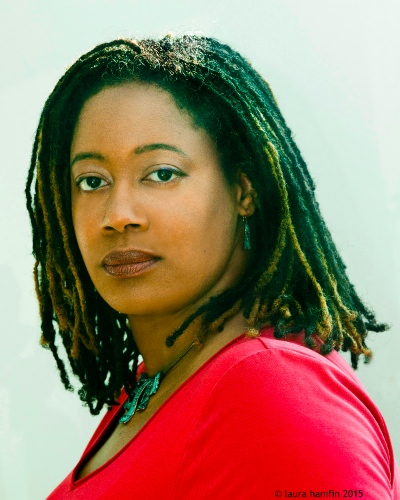
N.K. Jemisin, właśc. Nora K. Jemisin – amerykańska pisarka fantastyki i blogerka. Jej twórczość obejmuje m.in. konflikt kulturowy i prześladowanie poprzez światy fantasy oraz fantastyczno-naukowe.
W 2010 roku jej opowiadanie Non-Zero Probabilities znalazło się w finale nagród Hugo i Nebula za najlepszą krótką formę literacką. Debiutancka powieść N.K. Jemisin The Hundred Thousand Kingdoms w 2010 r. była nominowana do nagrody Nebula i znalazła się w finale nagrody Jamesa Tiptree Jr. W 2011 roku ta powieść była nominowana do nagród Hugo, World Fantasy i Locusa, wygrywając nagrodę Locusa za debiut powieściowy. The Hundred Thousand Kingdoms zdobyła również w 2011 r. nagrodę Sense of Gender Awards.
W 2016 roku powieść N.K. Jemisin Piąta pora roku, pierwszy tom cyklu Pęknięta Ziemia, zdobyła nagrodę Hugo za najlepszą powieść, ponadto była nominowana do nagród Nebula, Locus i World Fantasy. Sukces powtórzył drugi tom cyklu Pęknięta Ziemia – Wrota Obelisków, zdobywając Nagrodę Hugo za najlepszą powieść oraz otrzymując nominację do nagrody Nebula, Locusa i World Fantasy. Jeszcze bardziej doceniony został trzeci tom cyklu, Kamienne niebo, który zdobył Hugo i Nebulę dla najlepszej powieści oraz Locusa dla najlepszej powieści fantasy. N.K. Jemisin stała się w ten sposób pierwszą autorką w historii, która zdobyła nagrodę Hugo za najlepszą powieść trzykrotnie rok po roku. Wikipedia
“When we say that “the world has ended,” remember—it is usually a lie. The planet is just fine.”
N. K. Jemisin książka The Stone Sky
Prologue “me, when I was I” (p. 2)
The Stone Sky (2017)
N. K. Jemisin książka The Broken Kingdoms
Źródło: The Broken Kingdoms (2011), Chapter 11 “Possession” (watercolor) (pp. 202-203)
“It’s all right to need help. All of us have things we can’t do alone.”
N. K. Jemisin książka The Broken Kingdoms
Źródło: The Broken Kingdoms (2011), p. 1; repeated twice more in the book
N. K. Jemisin książka The Broken Kingdoms
Źródło: The Broken Kingdoms (2011), Chapter 4 “Frustration” (watercolor) (p. 71)
N. K. Jemisin książka The Hundred Thousand Kingdoms
Źródło: The Hundred Thousand Kingdoms (2010), Chapter 7 (p. 74)
N. K. Jemisin książka The Hundred Thousand Kingdoms
Źródło: The Hundred Thousand Kingdoms (2010), Chapter 21 (p. 282)
N. K. Jemisin książka The Hundred Thousand Kingdoms
Źródło: The Hundred Thousand Kingdoms (2010), Chapter 9 (p. 103)
N. K. Jemisin książka The Hundred Thousand Kingdoms
Źródło: The Hundred Thousand Kingdoms (2010), Chapter 29 (p. 394)
N. K. Jemisin książka The Broken Kingdoms
More silence.
Źródło: The Broken Kingdoms (2011), Chapter 17 “A Golden Chain” (engraving on metal plate) (p. 311)
N. K. Jemisin książka The Broken Kingdoms
Źródło: The Broken Kingdoms (2011), Chapter 4 “Frustration” (watercolor) (p. 60)
N. K. Jemisin książka The Broken Kingdoms
Źródło: The Broken Kingdoms (2011), Chapter 9 “Seduction” (charcoal) (p. 185)
“But perhaps that was just the way of power: no such thing as too much.”
N. K. Jemisin książka The Hundred Thousand Kingdoms
Źródło: The Hundred Thousand Kingdoms (2010), Chapter 6 (p. 61)
“There’s not such thing as magic that does no harm.”
N. K. Jemisin książka The Broken Kingdoms
Źródło: The Broken Kingdoms (2011), Chapter 4 “Frustration” (watercolor) (p. 93)
“It is important to appreciate beauty, even when it is evil.”
N. K. Jemisin książka The Hundred Thousand Kingdoms
Źródło: The Hundred Thousand Kingdoms (2010), Chapter 7 (p. 75)
N. K. Jemisin książka The Hundred Thousand Kingdoms
Źródło: The Hundred Thousand Kingdoms (2010), Chapter 12 (p. 144)
N. K. Jemisin książka The Hundred Thousand Kingdoms
Źródło: The Hundred Thousand Kingdoms (2010), Chapter 22 (p. 299)
N. K. Jemisin książka The Broken Kingdoms
Źródło: The Broken Kingdoms (2011), Chapter 5 “Family” (charcoal study) (p. 105)
“Good intentions are pointless without the will to implement them.”
N. K. Jemisin książka The Broken Kingdoms
Źródło: The Broken Kingdoms (2011), Chapter 16 “From the Depths to the Heights” (watercolor) (p. 281)
N. K. Jemisin książka The Broken Kingdoms
Źródło: The Broken Kingdoms (2011), Chapter 19 “The Demons’ War” (charcoal and chalk on black paper) (p. 349)
“What happened when people who’d once possessed absolute power suddenly lost it?”
N. K. Jemisin książka The Broken Kingdoms
Źródło: The Broken Kingdoms (2011), Chapter 8 “Light Reveals” (encaustic on canvas) (p. 170)
N. K. Jemisin książka The Broken Kingdoms
Źródło: The Broken Kingdoms (2011), Chapter 17 “A Golden Chain” (engraving on metal plate) (p. 309)
“There is no greater warrior than a mother protecting her child.”
N. K. Jemisin książka The Hundred Thousand Kingdoms
Źródło: The Hundred Thousand Kingdoms (2010), Chapter 4 (p. 36)
N. K. Jemisin książka The Broken Kingdoms
Źródło: The Broken Kingdoms (2011), Chapter 4 “Frustration” (watercolor) (p. 68)
“Love betrayed has an entirely different sound from hatred outright.”
N. K. Jemisin książka The Broken Kingdoms
Źródło: The Broken Kingdoms (2011), Chapter 3 “Gods and Corpses” (oil on canvas) (p. 58)
N. K. Jemisin książka The Broken Kingdoms
Źródło: The Broken Kingdoms (2011), Chapter 21 “Still Life” (oil on canvas) (p. 378)
N. K. Jemisin książka The Broken Kingdoms
Źródło: The Broken Kingdoms (2011), Chapter 9 “Seduction” (charcoal) (p. 189)
N. K. Jemisin książka The Broken Kingdoms
Źródło: The Broken Kingdoms (2011), Chapter 20 “Life” (oil study) (p. 364)
N. K. Jemisin książka The Broken Kingdoms
Źródło: The Broken Kingdoms (2011), Chapter 5 “Family” (charcoal study) (p. 120)
“But though I repeated my plea, and waited on my knees for nearly an hour, there was no answer.”
N. K. Jemisin książka The Broken Kingdoms
Źródło: The Broken Kingdoms (2011), Chapter 9 “Seduction” (charcoal) (p. 181)
“I…regret…what I did. It was wrong. Very wrong. But regret is meaningless.”
N. K. Jemisin książka The Broken Kingdoms
Źródło: The Broken Kingdoms (2011), Chapter 16 “From the Depths to the Heights” (watercolor) (p. 283)