“The world still needs
Its champion as of old, and finds him still.”
The Epic of Hades (1877), "Herakles".
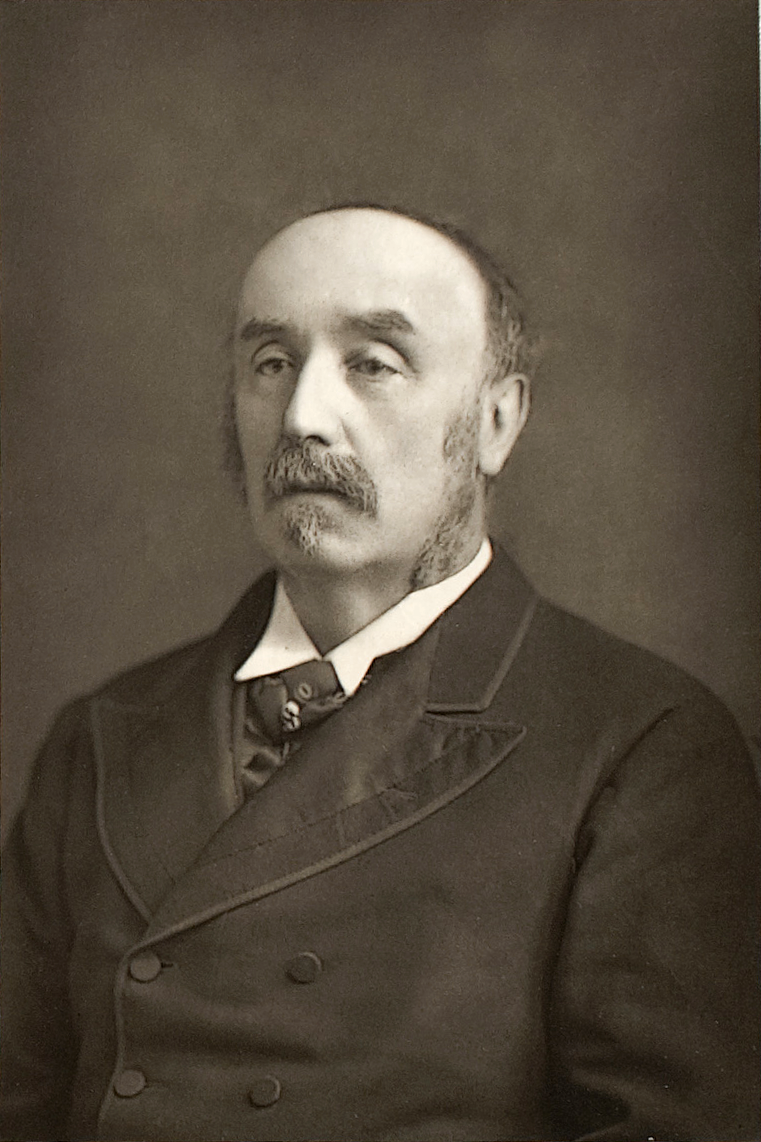
Lewis Morris – walijski polityk i poeta piszący w języku angielskim. Był prawnukiem poety Lewisa Morrisa i synem Lewisa Edwarda Williama Morrisa i Sophii, córki Johna Hughesa z Carmarthen. Urodził się w Penbryn. Uczył się w Sherborne School. Potem studiował w Jesus College w Oksfordzie. W 1896 otrzymał tytuł szlachecki. Startował w wyborach jako kandydat liberalny. Wydał między innymi cykl trzech tomików Songs of Two Worlds i epos mitologiczny The Epic of Hades . Napisał też Gwen: a Drama in Monologue, in Six Acts , The Ode of Life , Songs Unsung i Gycia: a Tragedy, in Five Acts . W liryce Lewisa Morrisa wyraźny jest wpływ twórczości Alfreda Tennysona.
Lewis Morris był uważany za pewnego kandydata do tytułu Poety-Laureata. Wyróżnienia tego nie otrzymał najprawdopodobniej tylko dlatego, że nie miał ślubu z matką swoich trojga dzieci. Wikipedia
“The world still needs
Its champion as of old, and finds him still.”
The Epic of Hades (1877), "Herakles".
A new Orphic Hymn, reported in Bartlett's Familiar Quotations, 10th ed. (1919).
The Ode of Evil, reported in Bartlett's Familiar Quotations, 10th ed. (1919).
“The passionate love of Right, the burning hate of Wrong.”
The Diamond Jubilee, reported in Bartlett's Familiar Quotations, 10th ed. (1919).
Life-Music, reported in Bartlett's Familiar Quotations, 10th ed. (1919).
Le Vent de l'Esprit, reported in Bartlett's Familiar Quotations, 10th ed. (1919).
“Toil is the law of life and its best fruit.”
The Ode of perfect Years, reported in Bartlett's Familiar Quotations, 10th ed. (1919).
Tolerance, reported in Bartlett's Familiar Quotations, 10th ed. (1919).
“Rest springs from strife and dissonant chords beget
Divinest harmonies.”
Love's Suicide, reported in Bartlett's Familiar Quotations, 10th ed. (1919).
“Love for Love
And Blood for Blood—the simple golden rule
Taught by the elder gods.”
Book I: Tartarus. "Clytemnestra", line125; p. 62.
The Epic of Hades (1877)
"Evensong", line 25, in Songs of Two Worlds: Third series (London: Henry S. King & Co., 1875), p. 23.