
“Great designers produce pleasurable experiences.”
Donald A. Norman książka The Design of Everyday Things
The Design of Everyday Things
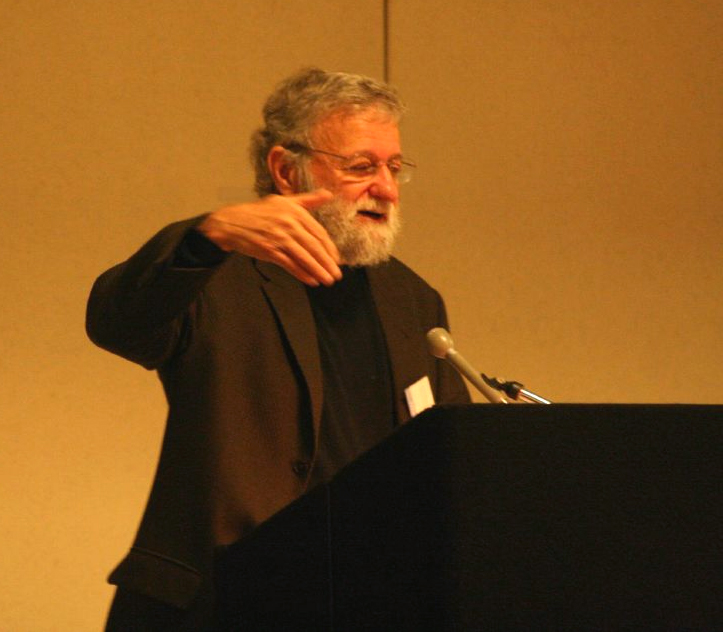
Donald Norman – amerykański psycholog poznawczy i badacz, specjalista w dziedzinie interakcji człowiek-komputer. Wikipedia
“Great designers produce pleasurable experiences.”
Donald A. Norman książka The Design of Everyday Things
The Design of Everyday Things
Donald A. Norman książka The Design of Everyday Things
Introduction to the 2002 Edition, p. xi.
The Design of Everyday Things (1988, 2002)
Donald A. Norman książka The Design of Everyday Things
Źródło: The Design of Everyday Things
Źródło: Emotional Design: Why We Love (or Hate) Everyday Things
Donald A. Norman książka The Design of Everyday Things
Źródło: The Design of Everyday Things
Donald A. Norman książka The Design of Everyday Things
Źródło: The Design of Everyday Things (1988, 2002), Ch. 6, p. 156.
Donald A. Norman książka The Design of Everyday Things
Introduction to the 2002 Edition, p. ix.
The Design of Everyday Things (1988, 2002)
Źródło: The Invisible Computer (1998), Ch. 10
Donald A. Norman książka The Design of Everyday Things
Źródło: The Design of Everyday Things (1988, 2002), Ch. 7, p. 216.
Źródło: The Invisible Computer (1998), Ch. 10
Donald A. Norman książka The Design of Everyday Things
Źródło: The Design of Everyday Things (1988, 2002), Ch. 5, pp. 114–115.
Donald A. Norman książka The Design of Everyday Things
Źródło: The Design of Everyday Things (1988, 2002), Ch. 6, p. 180.
Donald A. Norman książka The Design of Everyday Things
Źródło: The Design of Everyday Things (1988, 2002), Ch. 6, p. 185.
Donald A. Norman książka The Design of Everyday Things
Źródło: The Design of Everyday Things (1988, 2002), Ch. 6, p. 157.
“People Propose, Science Studies, Technology Conforms.”
Things That Make Us Smart (1993), Epilogue.
Donald A. Norman książka The Design of Everyday Things
Introduction to the 2002 Edition, p. xv.
The Design of Everyday Things (1988, 2002)
“Academics get paid for being clever, not for being right.”
27th annual conference of the Travel and Tourism Research Association, June 1996, Las Vegas, p. 143 http://books.google.com/books?id=FUkXAQAAMAAJ&q=%22academics+get+paid+for+being+clever%22.
Donald A. Norman książka The Design of Everyday Things
Źródło: The Design of Everyday Things (1988, 2002), Ch. 6, p. 173.
Donald A. Norman książka The Design of Everyday Things
Źródło: The Design of Everyday Things (1988, 2002), Ch. 5, p. 131.
Donald A. Norman książka The Design of Everyday Things
Źródło: The Design of Everyday Things (1988, 2002), Ch. 7, pp. 212—213.
Donald A. Norman książka The Design of Everyday Things
Źródło: The Design of Everyday Things (1988, 2002), Ch. 6, p. 152.
Donald A. Norman książka The Design of Everyday Things
Źródło: The Design of Everyday Things (1988, 2002), Ch. 1, p. 8.
Źródło: The Invisible Computer (1998), Ch. 10
Donald A. Norman książka The Design of Everyday Things
Źródło: The Design of Everyday Things (1988, 2002), Ch. 3, p. 78.
The correct answer is 37. <br class="br"> "The Don" Reveals All: Part 1 http://www.ok-cancel.com/archives/post/2004/10/the_don_reveals_all_part_1.html
Donald A. Norman książka The Design of Everyday Things
Źródło: The Design of Everyday Things (1988, 2002), Ch. 4, p. 87; regarding doors labeled "Push" and "Pull".
Donald A. Norman książka The Design of Everyday Things
Introduction to the 2002 Edition, p. x.
The Design of Everyday Things (1988, 2002)
Donald A. Norman książka The Design of Everyday Things
Źródło: The Design of Everyday Things (1988, 2002), Ch. 4, p. 100.