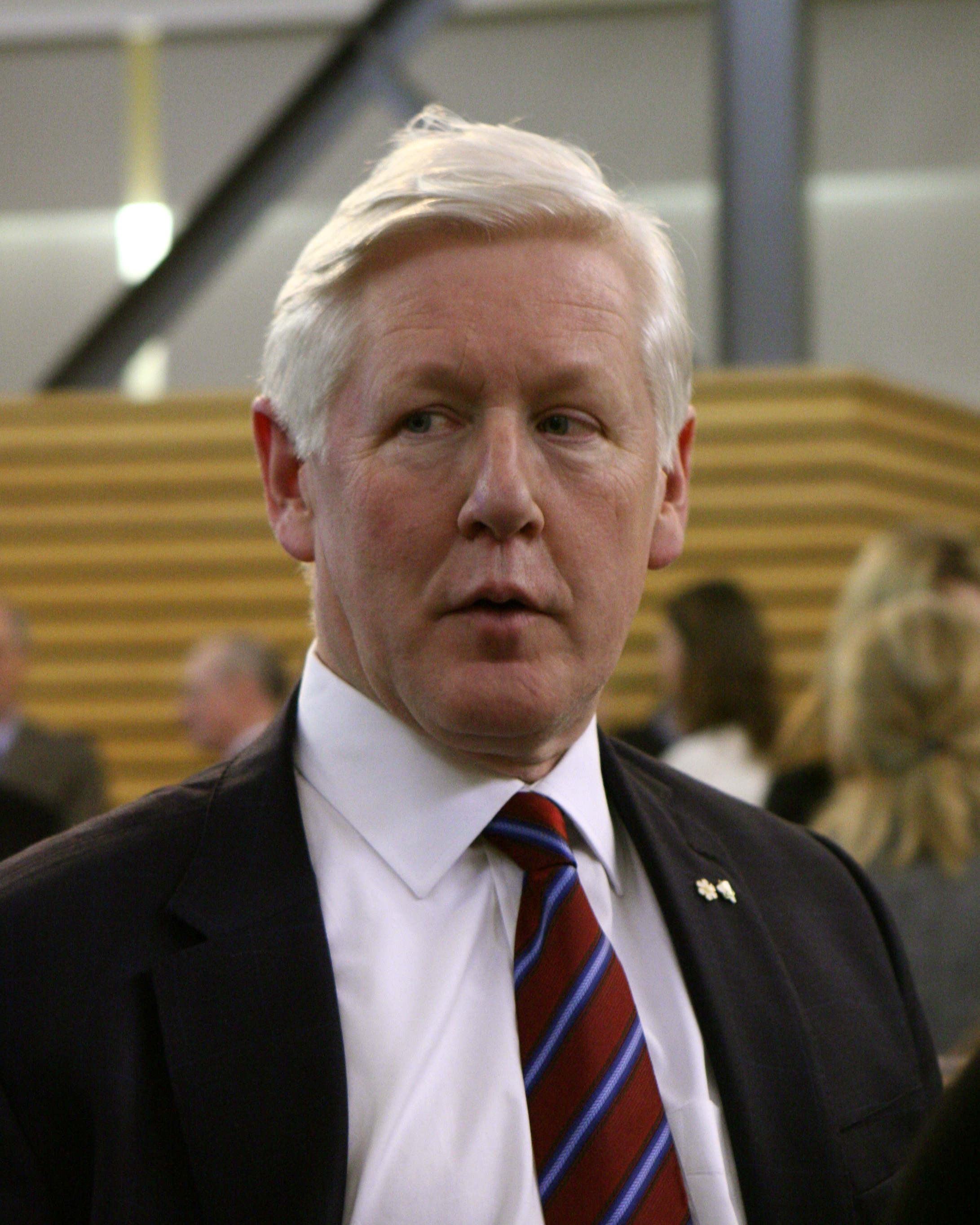

Źródło: The Three Questions - Prosperity and the Public Good (1998), Chapter Five, The Second Question: Charity and Welfare-The Old Debate Is New Again,, p. 91
Bob Rae:
18
Cytatów
0
Polubień
Bob Rae: Cytaty po angielsku
“Governments steer better than they row.”
Źródło: The Three Questions - Prosperity and the Public Good (1998), Chapter Five, The Second Question: Charity and Welfare-The Old Debate Is New Again, p. 98
Preface, p. ix
The Three Questions - Prosperity and the Public Good (1998)
“Self-interest is a necessary but hardly a sufficient basis for a decent society.”
Źródło: The Three Questions - Prosperity and the Public Good (1998), Chapter Four, Self-Interest and the Public Interest: Taxes, Debts, and Deficits, p. 86
Źródło: The Three Questions - Prosperity and the Public Good (1998), Chapter Two, The First Question: Self Interest and Prosperity, p. 21
Źródło: The Three Questions - Prosperity and the Public Good (1998), Chapter Seven, The Three Questions and the Question of Canada, p. 158
“The idea of politics is in need of defence.”
Źródło: The Three Questions - Prosperity and the Public Good (1998), Chapter Eight, The Need For Politics, p. 167
Źródło: The Three Questions - Prosperity and the Public Good (1998), Chapter Four, Self-Interest and the Public Interest: Taxes, Debts, and Deficits, p. 64
“If the rising tide fails to lift all boats, resentments will increase.”
Conclusion, If Not Now, When?, p. 202
The Three Questions - Prosperity and the Public Good (1998)
Źródło: The Three Questions - Prosperity and the Public Good (1998), Chapter Five, The Second Question: Charity and Welfare-The Old Debate Is New Again, p. 95
“Politics is about the persuasion required to move people to judgement.”
Źródło: The Three Questions - Prosperity and the Public Good (1998), Chapter Eight, The Need For Politics, p. 193
Źródło: The Three Questions - Prosperity and the Public Good (1998), Chapter Three, The End of Government?, p. 54
Źródło: The Three Questions - Prosperity and the Public Good (1998), Chapter One, The Rabbi's Three Questions, p. 7
“Change is the cliché of our time. It also happens to be the prevailing truth.”
Źródło: The Three Questions - Prosperity and the Public Good (1998), Chapter One, The Rabbi's Three Questions, p. 3
Źródło: The Three Questions - Prosperity and the Public Good (1998), Chapter Two, The First Question: Self Interest and Prosperity, p. 39-40
Źródło: The Three Questions - Prosperity and the Public Good (1998), Chapter Six, The Second Question: Health, Education, and the Democratic Economy, p. 124
“Angry teachers can defeat governments”
Źródło: The Three Questions - Prosperity and the Public Good (1998), Chapter Six, The Second Question: Health, Education, and the Democratic Economy, p. 121
“We do not yet have a politics that is equal to the economics around us.”
Źródło: The Three Questions - Prosperity and the Public Good (1998), Chapter Two, The First Question: Self Interest and Prosperity, p. 40