“No man knows fully what has shaped his own thinking”
Robert K. Merton könyv Social Theory and Social Structure
Forrás: Social Theory and Social Structure (1949), p. ix (1957 edition)
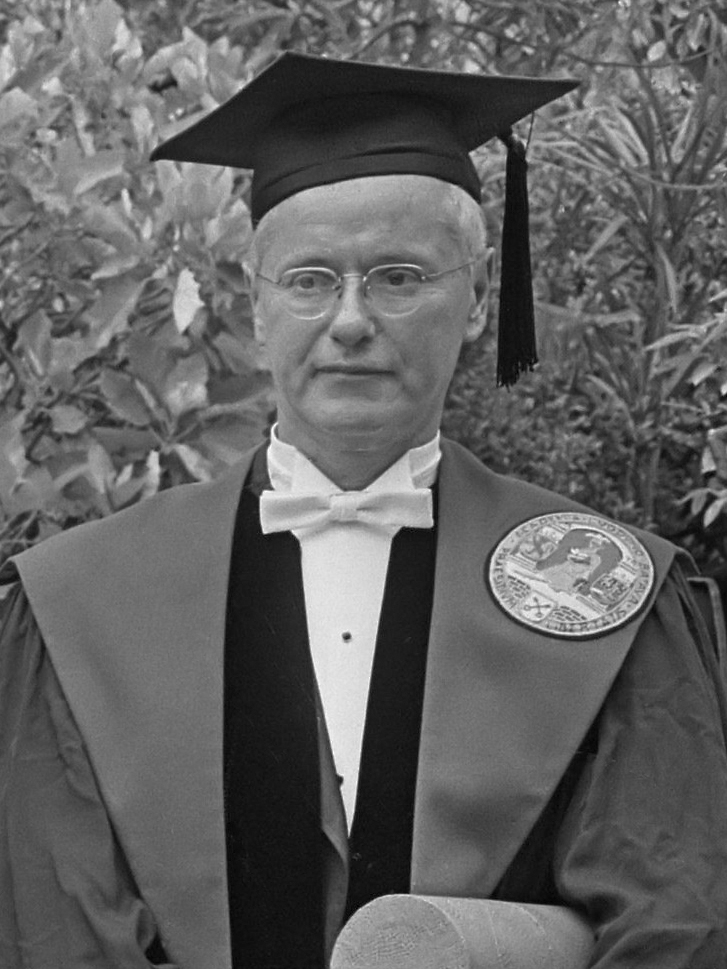
Robert King Merton, eredeti neve Robert Meyer Schkolnick amerikai szociológus. Életpályájának jelentős részében a Columbia Egyetemen tanított, ahol egyetemi tanár címet ért el. A tudományszociológia megalapításáért és a területen elért eredményeiért 1994-ben National Medal of Science kitüntetésben részesült.
Számos fontos fogalom fűződik a nevéhez, mint például az „nem tervezett következmények”, a „referencia csoport”, a „szerep deformáció”, de a legfontosabb fogalmai a „példakép” és az „önbeteljesítő jóslat”. A modern szociológiai, politikai és gazdasági elmélet központi eleme az „önbeteljesítő jóslat”, amely során egy helyes vagy egy helytelen hit vagy elvárás befolyásolja a helyzet kimenetelét, esetleg egy személy vagy egy csoport viselkedését. A „példakép” fogalmát egy kolumbiai orvostanhallgatókkal végzett tanulmányában fejtette ki. A fogalom a referencia csoporthoz, vagy egy olyan csoporthoz hasonlítás mentén alakult ki, melynek a személy nem tagja. A társadalmi szerep központi eleme Merton szociális csoport elméletének. Merton hangsúlyozta, hogy ahelyett, hogy az ember rendelkezik egy szereppel és egy állapottal, inkább a társadalmi struktúrába ágyazott állapot készlettel rendelkezik, ami rögzíti a várható viselkedéseket. Wikipedia
“No man knows fully what has shaped his own thinking”
Robert K. Merton könyv Social Theory and Social Structure
Forrás: Social Theory and Social Structure (1949), p. ix (1957 edition)
Robert K. Merton könyv Social Theory and Social Structure
Forrás: Social Theory and Social Structure (1949), p. 477 (1968 Enlarged edition)
Kontextus: The self-fulfilling prophecy is, in the beginning, a false definition of the situation evoking a new behaviour which makes the original false conception come "true". This specious validity of the self-fulfilling prophecy perpetuates a reign of error. For the prophet will cite the actual course of events as proof that he was right from the very beginning.
Robert K. Merton könyv Social Theory and Social Structure
Forrás: Social Theory and Social Structure
Merton (1968) "The Matthew Effect In Science", In: Science Vol. 159, no. 3810 (5 January 1968), p. 56-63: On scientists, the Nobel Prizes, and the Matthew effect in scientific research.
Kontextus: The role of outstanding scientists in influencing younger associates is repeatedly emphasized in the interviews with laureates. Almost invariably they lay great emphasis on the importance of problem-finding, not only problem-solving. They uniformly express the strong conviction that what matters most in their work is a developing sense of taste, of judgment, in acting setting upon problems that are of fundamental importance. And, typically, they report that they acquired this sense for the significant problem during their years of training in evocative environments. Reflecting on his years as a novice in the laboratory of a chemist of the first rank, one laureate reports that he "led me to look for important things, whenever possible, rather than work on endless detail or to work just to improve accuracy rather than making a basic new contribution."
Forrás: The Sociology of Knowledge, (1937), p. 503
Robert K. Merton könyv Social Theory and Social Structure
Forrás: Social Theory and Social Structure (1949), p. 162 (1957 edition) as cited in: John H. Scanzoni (1970) Opportunity and the family. p. 55
“Scientific research is not conducted in a social vacuum.”
Forrás: Social structure and anomie (1938), p. 263 (1973 Edition)
Robert K. Merton könyv Social Theory and Social Structure
Forrás: Social Theory and Social Structure (1949), p. 162 (1957 edition)
Forrás: The Sociology of Knowledge, (1937), p. 493
Merton (1938) "Science and the Social Order". In: Philosophy of Science Vol 5, nr 3, p. 326


