“This reasonable moderator, and equal piece of justice, Death.”
Thomas Browne book Religio Medici
Section 38
Religio Medici (1643), Part I
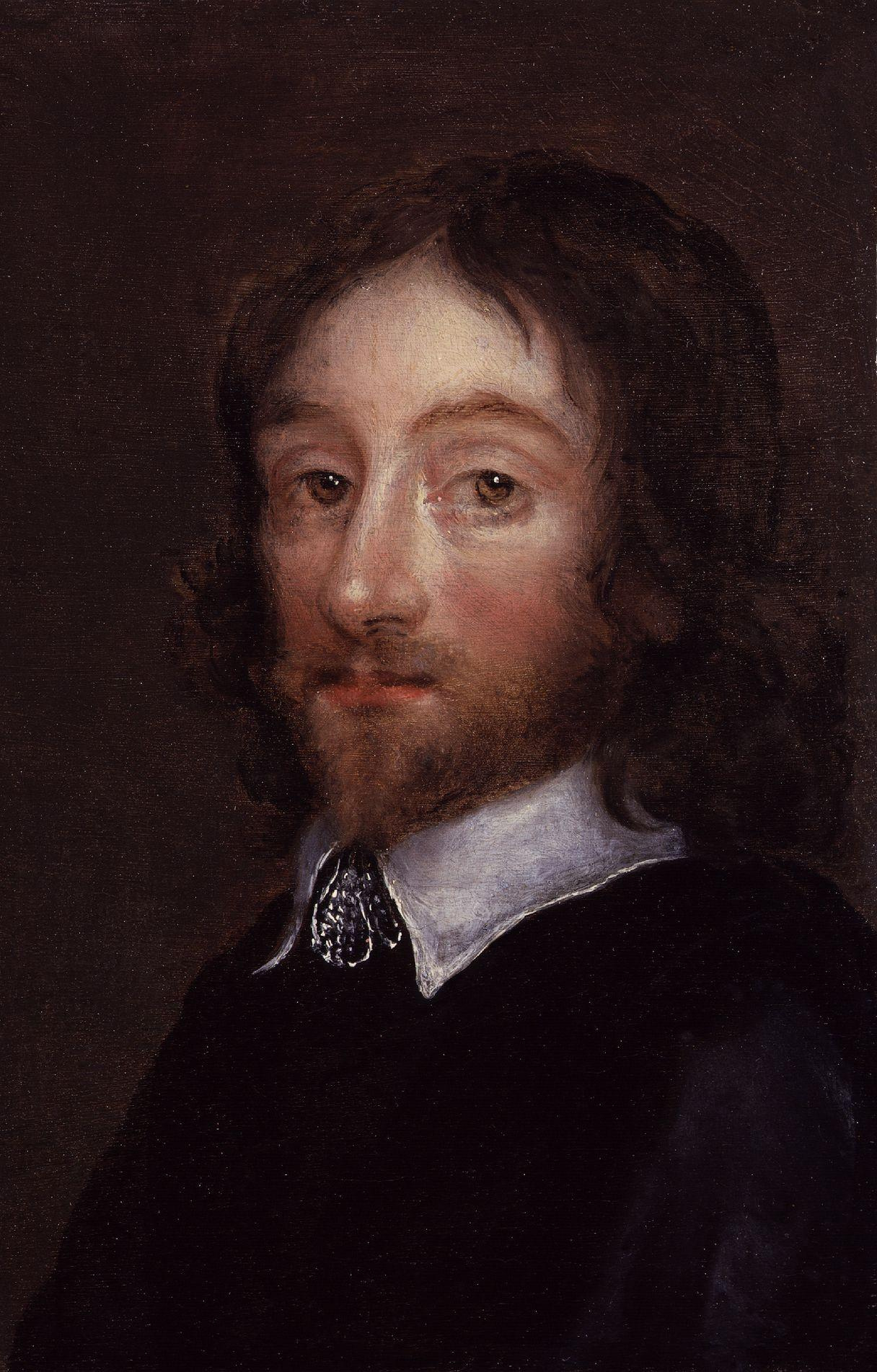
Sir Thomas Browne was an English polymath and author of varied works which reveal his wide learning in diverse fields including science and medicine, religion and the esoteric. His writings display a deep curiosity towards the natural world, influenced by the scientific revolution of Baconian enquiry.
Browne's literary works are permeated by references to Classical and Biblical sources as well as the idiosyncrasies of his own personality. Although often described as suffused with melancholia, his writings are also characterised by wit and subtle humour, while his literary style is varied, according to genre, resulting in a rich, unique prose which ranges from rough notebook observations to polished Baroque eloquence.
Wikipedia
“This reasonable moderator, and equal piece of justice, Death.”
Thomas Browne book Religio Medici
Section 38
Religio Medici (1643), Part I
“We carry within us the wonders we seek without us.”
Source: Prose: "Religio Medici" , "Hydriotaphia" , "Garden of Cyrus" , "Letter to a Friend" , "Christian Morals" and Selections from Other Works
“We all labour against our own cure, for death is the cure of all diseases.”
Thomas Browne book Religio Medici
Section 9
Religio Medici (1643), Part II
Letter to a Friend (circa 1656)
Thomas Browne book Religio Medici
Section 12
Religio Medici (1643), Part II
Thomas Browne book Hydriotaphia, Urn Burial
Source: Hydriotaphia, Urn Burial (1658), Chapter IV
“There is no man alone, because every man is a Microcosm, and carries the whole world about him.”
Thomas Browne book Religio Medici
Section 10
Religio Medici (1643), Part II
“For the world, I count it not an Inn, but a Hospital, and a place, not to live, but to die in.”
Thomas Browne book Religio Medici
Section 11
Religio Medici (1643), Part II
Thomas Browne book Religio Medici
Section 12
Religio Medici (1643), Part II
Thomas Browne book Hydriotaphia, Urn Burial
Source: Hydriotaphia, Urn Burial (1658), Chapter V
Thomas Browne book Religio Medici
Section 44
Compare: "I know death hath ten thousand several doors / For men to take their exits.", John Webster, Duchess of Malfi (1623); Act IV, scene ii.
Religio Medici (1643), Part I
Thomas Browne book Religio Medici
Section 12
Religio Medici (1643), Part II
Thomas Browne book Religio Medici
Section 3
Religio Medici (1643), Part II
“I can cure the gout or stone in some, sooner than Divinity, Pride, or Avarice in others”
Thomas Browne book Religio Medici
Section 9
Religio Medici (1643), Part II
Thomas Browne book Religio Medici
Section 11
Religio Medici (1643), Part II
“The long habit of living indisposeth us for dying.”
Thomas Browne book Hydriotaphia, Urn Burial
Source: Hydriotaphia, Urn Burial (1658), Chapter V
“I have often admired the mystical way of Pythagoras, and the secret Magic of numbers.”
Thomas Browne book Religio Medici
Section 12
Religio Medici (1643), Part I
“The heart of man is the place the devil dwells in; I feel sometimes a hell within myself.”
Thomas Browne book Religio Medici
Section 51
Religio Medici (1643), Part I
Thomas Browne book Hydriotaphia, Urn Burial
Source: Hydriotaphia, Urn Burial (1658), Chapter V
“I look upon you as a gem of the old rock.”
Thomas Browne book Hydriotaphia, Urn Burial
Dedication
Hydriotaphia, Urn Burial (1658)
“Art is the perfection of nature.”
Thomas Browne book Religio Medici
Section 16
Religio Medici (1643), Part I
“In the deep discovery of the Subterranean world, a shallow part would satisfy some enquirers.”
Thomas Browne book Hydriotaphia, Urn Burial
Source: Hydriotaphia, Urn Burial (1658), Chapter I
“When we desire to confine our words, we commonly say they are spoken under the rose.”
Pseudodoxia Epidemica Book 5, Ch. 22, sect. 6
Thomas Browne book Religio Medici
Section 11
Religio Medici (1643), Part II
Thomas Browne book The Garden of Cyrus
Source: The Garden of Cyrus (1658), Ch. 5
“The noblest Digladiation is in the Theatre of ourselves.”
Thomas Browne book Christian Morals
Part I, Section XXIV
Christian Morals (first pub. post. 1716)
Thomas Browne book Religio Medici
Section 4
Religio Medici (1643), Part II
Thomas Browne book Religio Medici
Section 2
Religio Medici (1643), Part II
Thomas Browne book Religio Medici
Section 9
Religio Medici (1643), Part II
“Obstinacy in a bad cause, is but constancy in a good.”
Thomas Browne book Religio Medici
Section 25
Religio Medici (1643), Part I
“Time which antiquates Antiquities, and hath an art to make dust of all things.”
Thomas Browne book Hydriotaphia, Urn Burial
Source: Hydriotaphia, Urn Burial (1658), Chapter V
“He who discommendeth others obliquely commendeth himself.”
Thomas Browne book Christian Morals
Part I, Section XXXIV
Christian Morals (first pub. post. 1716)
Thomas Browne book Religio Medici
Section 12
Religio Medici (1643), Part I
“All things are artificial, for nature is the Art of God.”
Thomas Browne book Religio Medici
Section 16
Religio Medici (1643), Part I
“There is no road or ready way to virtue.”
Thomas Browne book Religio Medici
Section 55
Religio Medici (1643), Part I
Thomas Browne book Hydriotaphia, Urn Burial
Source: Hydriotaphia, Urn Burial (1658), Chapter V. Cf Suetonius, Lives of the Twelve Caesars: "Tiberius," Ch 70
Thomas Browne book The Garden of Cyrus
Opening lines of Ch. 1
The Garden of Cyrus (1658)
Thomas Browne book Hydriotaphia, Urn Burial
Source: Hydriotaphia, Urn Burial (1658), Chapter IV
“Persecution is a bad and indirect way to plant Religion.”
Thomas Browne book Religio Medici
Section 25
Religio Medici (1643), Part I
Thomas Browne book Religio Medici
Section 15
Religio Medici (1643), Part I
“Rich with the spoils of Nature.”
Thomas Browne book Religio Medici
Section 8
Religio Medici (1643), Part I
Thomas Browne book Religio Medici
Section 9
Religio Medici (1643), Part II
“No man can justly censure or condemn another, because indeed no man truly knows another.”
Thomas Browne book Religio Medici
Section 4
Religio Medici (1643), Part II
“I love to lose myself in a mystery to pursue my reason to an O altitudo.”
Thomas Browne book Religio Medici
Section 9
Religio Medici (1643), Part I
Thomas Browne book Religio Medici
Section 12
Religio Medici (1643), Part II
Letter to a Friend (circa 1656)
Thomas Browne book The Garden of Cyrus
Source: The Garden of Cyrus (1658), Ch. 5
Thomas Browne book Hydriotaphia, Urn Burial
Source: Hydriotaphia, Urn Burial (1658), Chapter V
Thomas Browne book Christian Morals
Part III, Section XII
Christian Morals (first pub. post. 1716)
Thomas Browne book Religio Medici
Section 45
Religio Medici (1643), Part I
These words also appear in Christian Morals, Part I, Section I
Letter to a Friend (circa 1656)
“To be nameless in worthy deeds exceeds an infamous history.”
Thomas Browne book Hydriotaphia, Urn Burial
Source: Hydriotaphia, Urn Burial (1658), Chapter V


