

Roberto Mangabeira Unger book The Self Awakened: Pragmatism Unbound
Source: The Self Awakened: Pragmatism Unbound (2007), p. 41
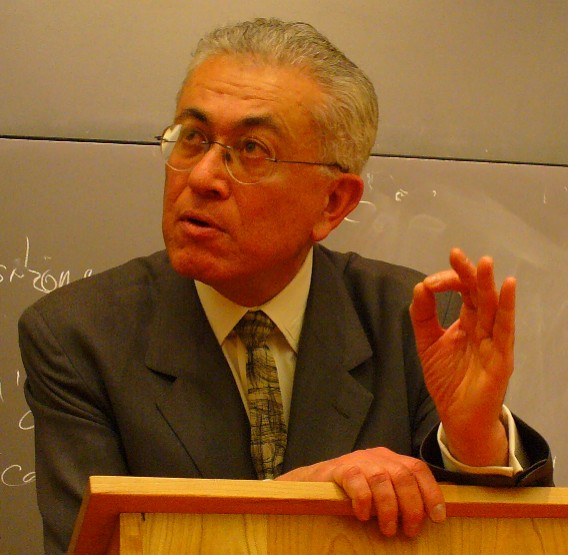
Roberto Mangabeira Unger is philosopher and politician. He has developed his views and positions across many fields, including social, political, and economic theory. In legal theory, he is best known by his work in the 1970s and 80s while at Harvard Law School as part of the Critical Legal Studies movement, which is held to have helped disrupt the methodological consensus in American law schools. His political activity helped the transition to democracy in Brazil in the aftermath of the military regime, and culminated with his appointment as Brazil's Minister of Strategic Affairs in 2007 and again in 2015. His work is seen to offer a vision of humanity and a program to empower individuals and change institutions.
At the core of his philosophy is a view of humanity as greater than the contexts in which it is placed. He sees each individual possessed of the capability to rise to a greater life. At the root of his social thought is the conviction that the world is made and imagined. His work begins from the premise that no natural social, political, or economic arrangements underlie individual or social activity. Property rights, liberal democracy, wage labor—for Unger, these are all historical artifacts that have no necessary relation to the goals of free and prosperous human activity. For Unger, the market, the state, and human social organization should not be set in predetermined institutional arrangements, but need to be left open to experimentation and revision according to what works for the project of individual and collective empowerment. Doing so, he holds, will enable human liberation.
Unger has long been active in Brazilian opposition politics. He was one of the founding members of the Brazilian Democratic Movement Party and drafted its manifesto. He directed the presidential campaigns of Leonel Brizola and Ciro Gomes, ran for the Chamber of Deputies, and twice launched exploratory bids for the Brazilian presidency. He served as the Minister of Strategic Affairs in the second Luiz Inácio Lula da Silva administration and the beginning of the second Dilma administration. Unger is also the subject of the feature documentary Visions for the Future directed by Robert Rippberger chronicling his work in Brazil in the Amazonian state of Rondônia putting theory into practice.
Roberto Mangabeira Unger book The Self Awakened: Pragmatism Unbound
Source: The Self Awakened: Pragmatism Unbound (2007), p. 41
“In history obedience rarely pays; what pays is defiance.”
Roberto Mangabeira Unger book The Left Alternative
Source: The Left Alternative (2009), p. 8
Source: Social Theoryː Its Situation and Its Task (1987), p. 205
Source: False Necessityː Anti-Necessitarian Social Theory in the Service of Radical Democracy (1987), p. 26
Source: False Necessityː Anti-Necessitarian Social Theory in the Service of Radical Democracy (1987), p. 397
Source: Democracy Realizedː The Progressive Alternative (1998), p. 248
Source: Law in Modern Societyː Toward a Criticism of Social Theory (1976), p. 242
Quoted in Meena Hart Duerson, "Obama’s former Harvard professor: ‘He must be defeated’ː Roberto Unger called for Obama’s defeat in a recent YouTube video," New York Daily News, Monday, June 18, 2012
On Barack Obama
Source: Accessed at http://www.nydailynews.com/news/politics/obama-harvard-professor-defeated-article-1.1097944 on December 4, 2015
Roberto Mangabeira Unger book The Self Awakened: Pragmatism Unbound
Source: The Self Awakened: Pragmatism Unbound (2007), p. 134
Roberto Mangabeira Unger The Religion of the Future
Source: The Religion of the Future (2014), p. 121 (explaining the religious tradition Unger calls "struggling with the world")
Roberto Mangabeira Unger book The Self Awakened: Pragmatism Unbound
Source: The Self Awakened: Pragmatism Unbound (2007), p. 130
Roberto Mangabeira Unger book The Self Awakened: Pragmatism Unbound
Source: The Self Awakened: Pragmatism Unbound (2007), p. 63
Roberto Mangabeira Unger book The Left Alternative
Source: The Left Alternative (2009), p. 188
Roberto Mangabeira Unger book The Self Awakened: Pragmatism Unbound
Source: The Self Awakened: Pragmatism Unbound (2007), p. 32
Source: The Critical Legal Studies Movementː Another Time, A Greater Task (2015), p. 105
Roberto Mangabeira Unger The Religion of the Future
Source: The Religion of the Future (2014), p. 356
Roberto Mangabeira Unger book The Self Awakened: Pragmatism Unbound
Source: The Self Awakened: Pragmatism Unbound (2007), p. 24
Source: Plasticity Into Power: Comparative-Historical Studies on the Institutional Conditions of Economic and Military Success (1987), p. 2
Source: Plasticity Into Power: Comparative-Historical Studies on the Institutional Conditions of Economic and Military Success (1987), p. 192
Roberto Mangabeira Unger book The Self Awakened: Pragmatism Unbound
Source: The Self Awakened: Pragmatism Unbound (2007), p. 143
Roberto Mangabeira Unger book The Self Awakened: Pragmatism Unbound
Source: The Self Awakened: Pragmatism Unbound (2007), p. 236-7.
Roberto Mangabeira Unger The Religion of the Future
Source: The Religion of the Future (2014), p. 295
Roberto Mangabeira Unger book The Self Awakened: Pragmatism Unbound
Source: The Self Awakened: Pragmatism Unbound (2007), p. 132-3
Source: Social Theoryː Its Situation and Its Task (1987), p. 47
Source: Social Theoryː Its Situation and Its Task (1987), p. 204
Source: Plasticity Into Power: Comparative-Historical Studies on the Institutional Conditions of Economic and Military Success (1987), p. 208
Roberto Mangabeira Unger book The Left Alternative
Source: The Left Alternative (2009), p. 187-8
Roberto Mangabeira Unger book The Self Awakened: Pragmatism Unbound
Source: The Self Awakened: Pragmatism Unbound (2007), p. 132
Source: False Necessityː Anti-Necessitarian Social Theory in the Service of Radical Democracy (1987), p. 134
Source: False Necessityː Anti-Necessitarian Social Theory in the Service of Radical Democracy (1987), p. 22
“Philosophy is a concentrated deployment of the transgressing facilities of the mind.”
Roberto Mangabeira Unger book The Self Awakened: Pragmatism Unbound
Source: The Self Awakened: Pragmatism Unbound (2007), p. 30
Source: Democracy Realizedː The Progressive Alternative (1998), p. 249
Roberto Mangabeira Unger The Religion of the Future
Source: The Religion of the Future (2014), p. 135
Source: False Necessityː Anti-Necessitarian Social Theory in the Service of Radical Democracy (1987), p. 336
Roberto Mangabeira Unger book The Self Awakened: Pragmatism Unbound
Source: The Self Awakened: Pragmatism Unbound (2007), p. 26-7
Source: Law in Modern Societyː Toward a Criticism of Social Theory (1976), p. 38
Source: Democracy Realizedː The Progressive Alternative (1998), p. 29
Roberto Mangabeira Unger book What Should Legal Analysis Become?
Source: What Should Legal Analysis Become? (1996), p. 20
Source: False Necessityː Anti-Necessitarian Social Theory in the Service of Radical Democracy (1987), pp. 563-564
Source: The Critical Legal Studies Movementː Another Time, A Greater Task (2015), p. 104-5
Roberto Mangabeira Unger book The Self Awakened: Pragmatism Unbound
124
The Self Awakened: Pragmatism Unbound (2007)
Source: False Necessityː Anti-Necessitarian Social Theory in the Service of Radical Democracy (1987), p. 400
Source: False Necessityː Anti-Necessitarian Social Theory in the Service of Radical Democracy (1987), p. 97
Source: Law in Modern Societyː Toward a Criticism of Social Theory (1976), p. 260
Roberto Mangabeira Unger book The Self Awakened: Pragmatism Unbound
Source: The Self Awakened: Pragmatism Unbound (2007), p. 144
Source: False Necessityː Anti-Necessitarian Social Theory in the Service of Radical Democracy (1987), p. 467
Roberto Mangabeira Unger book The Self Awakened: Pragmatism Unbound
Source: The Self Awakened: Pragmatism Unbound (2007), p. 237
Quoted in David Remnick, The Bridgeː The Life and Rise of Barack Obama (2010), p. 185-6
On Barack Obama
Roberto Mangabeira Unger book The Self Awakened: Pragmatism Unbound
Source: The Self Awakened: Pragmatism Unbound (2007), p. 142
Source: Democracy Realizedː The Progressive Alternative (1998), p. 15
Source: Democracy Realizedː The Progressive Alternative (1998), p. 250-1
Source: Social Theoryː Its Situation and Its Task (1987), p. 65
Source: Law in Modern Societyː Toward a Criticism of Social Theory (1976), p. 259-260
Roberto Mangabeira Unger book The Self Awakened: Pragmatism Unbound
Source: The Self Awakened: Pragmatism Unbound (2007), p. 233
Source: Social Theoryː Its Situation and Its Task (1987), p. 45-46
Source: Free Trade Reimaginedː The World Division of Labor and the Method of Economics (2007), p. 210
Source: Democracy Realizedː The Progressive Alternative (1998), p. 32
Roberto Mangabeira Unger book The Self Awakened: Pragmatism Unbound
Source: The Self Awakened: Pragmatism Unbound (2007), p. 18
Source: Democracy Realizedː The Progressive Alternative (1998), p. 165
Roberto Mangabeira Unger The Religion of the Future
Source: The Religion of the Future (2014), p. 295
Source: Plasticity Into Power: Comparative-Historical Studies on the Institutional Conditions of Economic and Military Success (1987), p. 169
Roberto Mangabeira Unger book The Self Awakened: Pragmatism Unbound
Source: The Self Awakened: Pragmatism Unbound (2007), p. 69
Source: The Critical Legal Studies Movementː Another Time, A Greater Task (2015), p. 15
Quoted in David Remnick, The Bridgeː The Life and Rise of Barack Obama (2010), p. 185
On Barack Obama
Roberto Mangabeira Unger book The Self Awakened: Pragmatism Unbound
Source: The Self Awakened: Pragmatism Unbound (2007), p. 80
Source: Plasticity Into Power: Comparative-Historical Studies on the Institutional Conditions of Economic and Military Success (1987), p. 12
Source: Plasticity Into Power: Comparative-Historical Studies on the Institutional Conditions of Economic and Military Success (1987), p. 160
Source: Social Theoryː Its Situation and Its Task (1987), p. 7
Source: False Necessityː Anti-Necessitarian Social Theory in the Service of Radical Democracy (1987), p. 97
Source: False Necessityː Anti-Necessitarian Social Theory in the Service of Radical Democracy (1987), p. 564
Roberto Mangabeira Unger book The Self Awakened: Pragmatism Unbound
Source: The Self Awakened: Pragmatism Unbound (2007), p. 123-4


