
“I caution you as I was never cautioned
you will never let go, you will never be satiated.”
Source: "The Sensual World", The Seven Ages (2001)
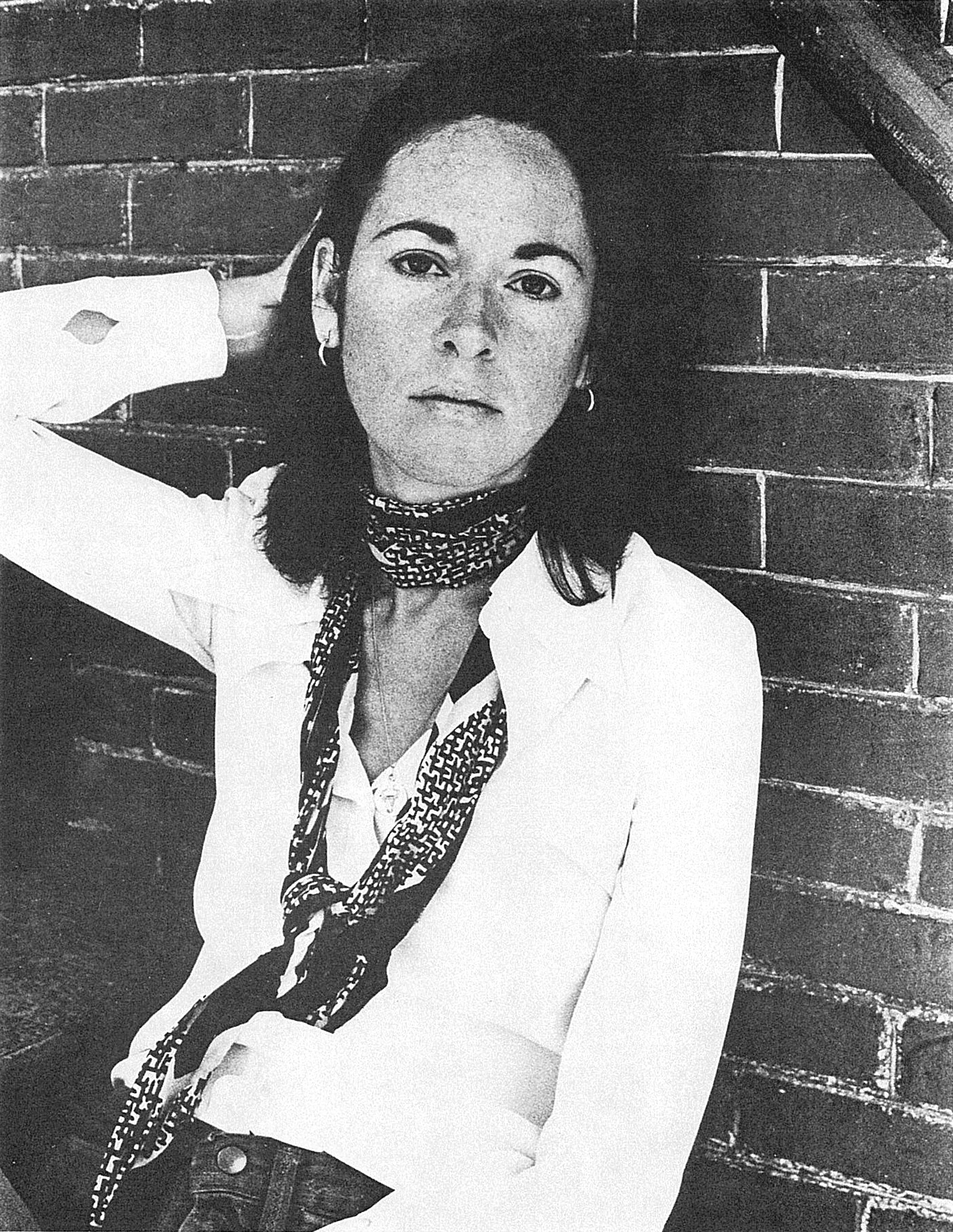
Louise Elisabeth Glück was an American poet and essayist. She won the 2020 Nobel Prize in Literature, whose judges praised "her unmistakable poetic voice that with austere beauty makes individual existence universal". Her other awards include the Pulitzer Prize, National Humanities Medal, National Book Award, National Book Critics Circle Award, and Bollingen Prize. From 2003 to 2004, she was Poet Laureate of the United States.
Glück was born in New York City and raised on Long Island. She began to suffer from anorexia nervosa while in high school and later overcame the illness. She attended Sarah Lawrence College and Columbia University but did not obtain a degree. In addition to being an author, she taught poetry at several academic institutions.
Glück is often described as an autobiographical poet; her work is known for its emotional intensity and for frequently drawing on mythology or nature imagery to meditate on personal experiences and modern life. Thematically, her poems have illuminated aspects of trauma, desire, and nature. In doing so, they have become known for frank expressions of sadness and isolation. Scholars have also focused on her construction of poetic personas and the relationship, in her poems, between autobiography and classical myth.
Glück served as the Frederick Iseman Professor in the Practice of Poetry at Yale University and as a professor of English at Stanford University. She split her time between Cambridge, Massachusetts; Montpelier, Vermont; and Berkeley, California. Wikipedia
“I caution you as I was never cautioned
you will never let go, you will never be satiated.”
Source: "The Sensual World", The Seven Ages (2001)
“We look at the world once, in childhood.
The rest is memory.”
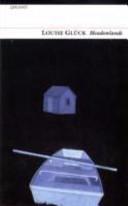
Louise Glück book Meadowlands
Source: Meadowlands (1996), "Nostos"
“From the beginning of time,
in childhood, I thought
that pain meant
I was not loved.
It meant I loved.”
Source: "First Memory", Ararat (1990)
“The soul is silent.
If it speaks at all
it speaks in dreams.”
Source: "Child Crying Out", Ararat (1990)
“Intense love always leads to mourning.”
Source: "For My Father", The Triumph of Achilles (1985)
“Of two sisters
one is always the watcher,
one the dancer.”
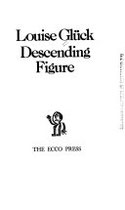
Louise Glück Descending Figure
Source: "Tango", Descending Figure (1980)
Source: "Still Life", The House on Marshland (1975)
Source: As quoted in "Poet Laureate: Louise Glück and the Public Face of a Private Artist" https://www.nytimes.com/2003/11/04/opinion/editorial-observer-poet-laureate-louise-gluck-public-face-private-artist.html by Andrew Johnston, The New York Times (November 4, 2003)
“The advantage of poetry over life is that poetry, if it is sharp enough, may last.”
Source: "Against Sincerity", in American Poetry Review, Vol. XXII, No. 5 (1993), p. 29


