“What dost thou bring to me, O fair To-day,
That comest o'er the mountains with swift feet?”
To-Day; reported in Hoyt's New Cyclopedia Of Practical Quotations (1922).
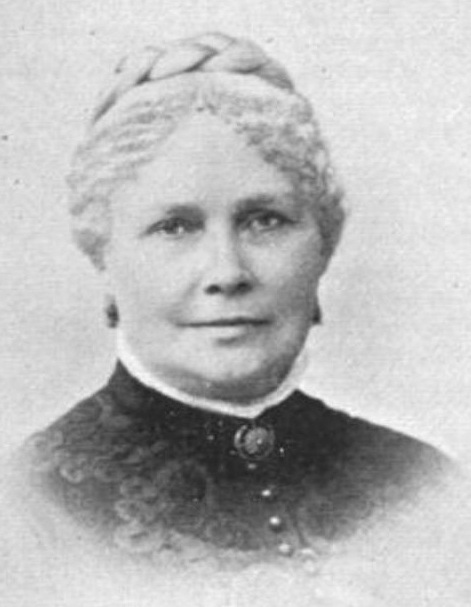
Julia Caroline Ripley Dorr was an American author who published both prose and poetry. Although she wrote a number of novels and works on travel, she was best known for her poetry. Her work was conservative; she did not write anything that she felt was improper for children to hear, and was described as consisting of "respectable but not highly distinguished or passionate phrases to the conventional wisdom of her time and place." She had a keen sense of form and, working as she did in several mediums, to her belonged the distinction of never attempting to say in verse what might better find expression in prose. To her sense of form she added a clear-seeing eye, and the ability so to fit words together as to make others see what she saw.Her work has constantly appeared in the foremost publications and her books have followed each other at regular intervals. Some of her early books included, Farmingdale , Leanmere , Sibyl Huntington , Poems , Expiation , Friar Anselmo and Other Poems , The Legend of the Baboushka,—a Christmas Poem , Daybreak,— an Easter Poem , Bermuda,—an Idyl of the Summer Islands , and Afternoon Songs .
Wikipedia
“What dost thou bring to me, O fair To-day,
That comest o'er the mountains with swift feet?”
To-Day; reported in Hoyt's New Cyclopedia Of Practical Quotations (1922).
Darkness, reported in Bartlett's Familiar Quotations, 10th ed. (1919).
Reported in Josiah Hotchkiss Gilbert, Dictionary of Burning Words of Brilliant Writers (1895), p. 455.
Silence, reported in Bartlett's Familiar Quotations, 10th ed. (1919).


