

“The first thing a man will do for his ideal is lie”
Source: History of Economic Analysis, p. 43
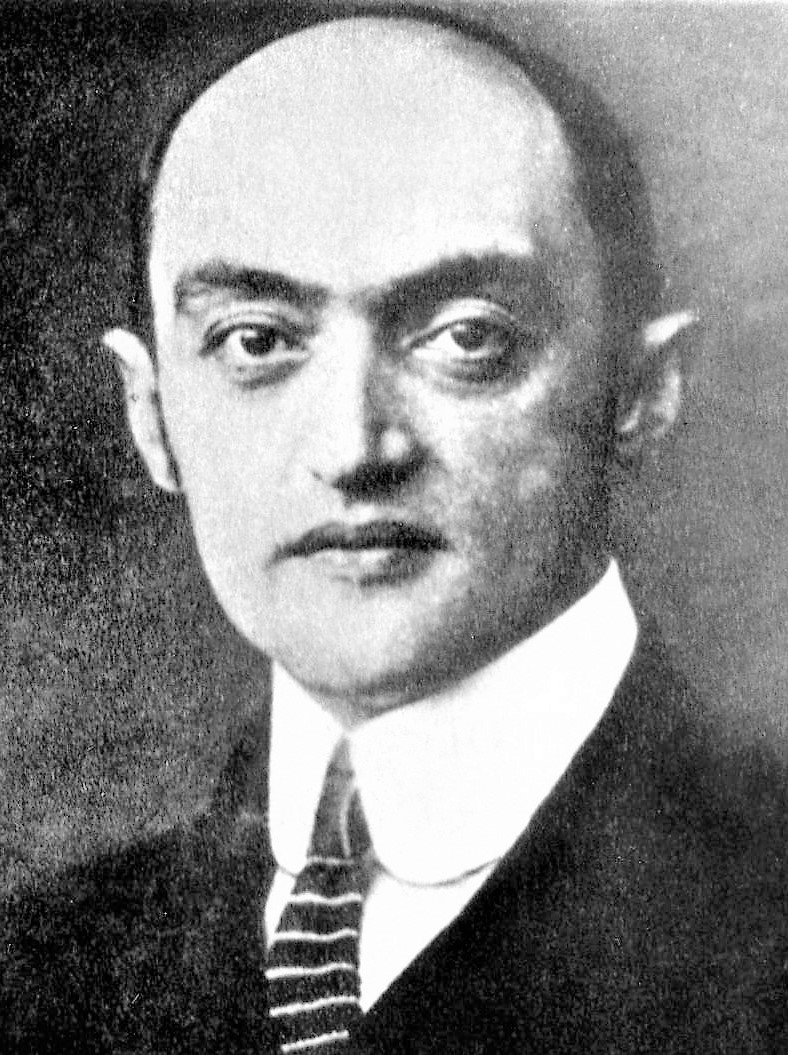
Joseph Alois Schumpeter was an Austrian-born American economist and political scientist. He briefly served as Finance Minister of Austria in 1919. In 1932 he became a professor at Harvard University where he remained until the end of his career. One of the most influential economists of the 20th century, Schumpeter popularized the term "creative destruction" in economics.
“The first thing a man will do for his ideal is lie”
Source: History of Economic Analysis, p. 43
Joseph Alois Schumpeter The Theory of Economic Development
The Theory of Economic Development (1934), Ch. 1 : The Circular Flow of Economic Life as Conditioned by Given Circumstances
Joseph Alois Schumpeter The Theory of Economic Development
The Theory of Economic Development (1934), Ch. 6 : The Business Cycle
Joseph Alois Schumpeter The Theory of Economic Development
The Theory of Economic Development (1934), Ch. 6 : The Business Cycle
"Depressions: Can we learn from past experience?" in Schumpeter, Joseph A.; Chamberlin, Edward; Leontief, Wassily W.; Brown, Douglass V.; Harris, Seymour E.; Mason, Edward S.; Taylor, Overton H., The economics of the recovery program (1934)
Joseph Alois Schumpeter The Theory of Economic Development
The Theory of Economic Development (1934), Ch. 6 : The Business Cycle
Joseph Alois Schumpeter The Theory of Economic Development
The Theory of Economic Development (1934), Ch. 4 : Entrepreneurial Profit
Joseph Schumpeter, History of Economic Analysis, 1945. p. 27
Joseph Alois Schumpeter The Theory of Economic Development
The Theory of Economic Development (1934), Ch. 6 : The Business Cycle
To economics students, recorded by R. L. Heilbroner, The Worldly Philosophers, 1953
Joseph Alois Schumpeter The Theory of Economic Development
The Theory of Economic Development (1934), Ch. 6 : The Business Cycle
Joseph Alois Schumpeter The Theory of Economic Development
The Theory of Economic Development (1934), Ch. 6 : The Business Cycle


