
“Without privacy there was no point in being an individual.”
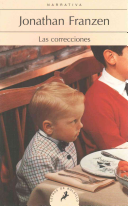
Jonathan Franzen book The Corrections
Source: The Corrections
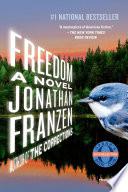
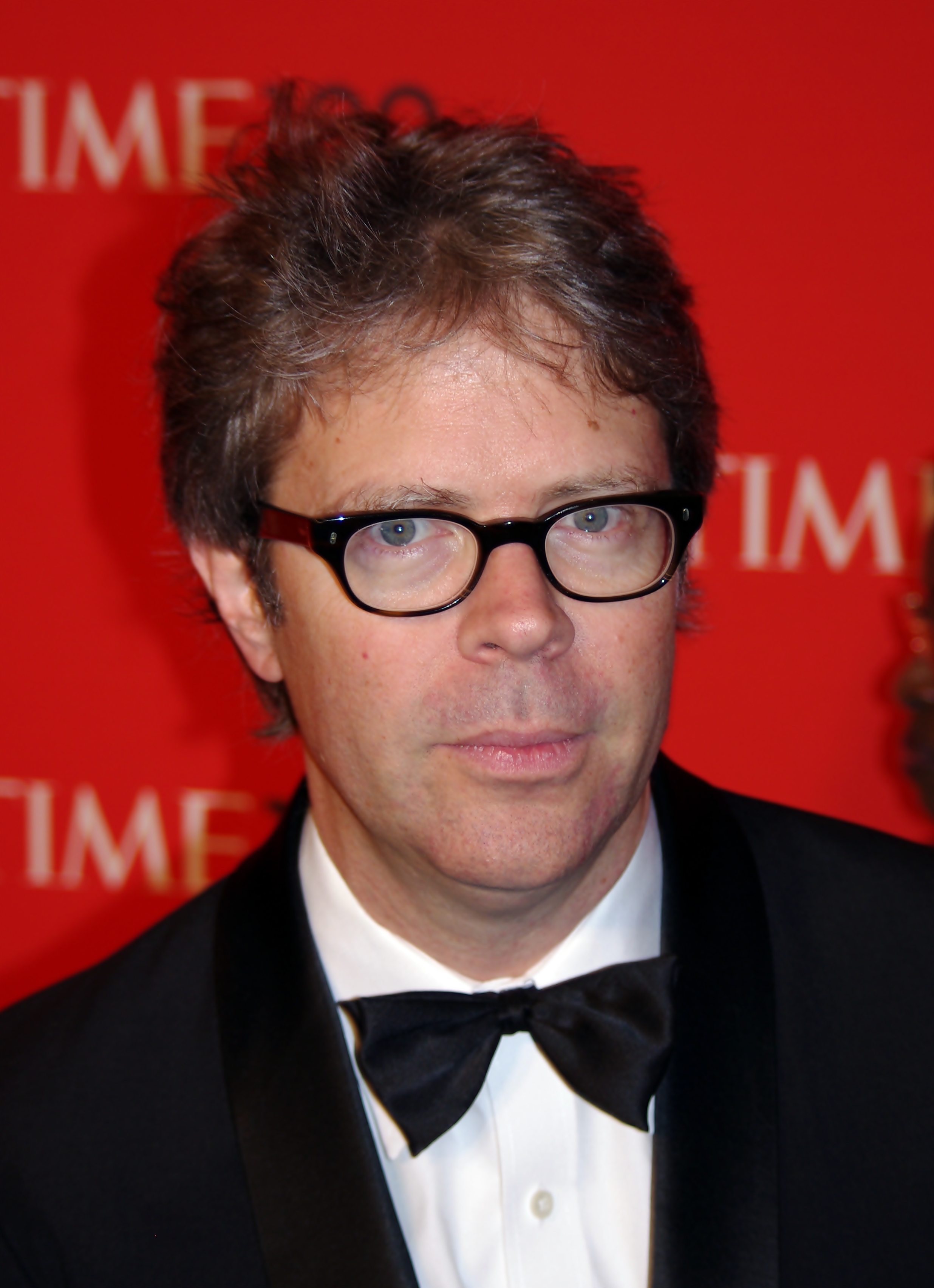
Jonathan Earl Franzen is an American novelist and essayist. His 2001 novel The Corrections, a sprawling, satirical family drama, drew widespread critical acclaim, earned Franzen a National Book Award, was a Pulitzer Prize for Fiction finalist, earned a James Tait Black Memorial Prize and was shortlisted for the International Dublin Literary Award. His novel Freedom garnered similar praise and led to an appearance on the cover of Time magazine alongside the headline "Great American Novelist".Franzen has contributed to The New Yorker magazine since 1994. His 1996 Harper's essay Perchance to Dream bemoaned the state of contemporary literature. Oprah Winfrey's book club selection in 2001 of The Corrections led to a much publicized feud with the talk show host. In recent years, Franzen has become recognized for his opinions on everything from social networking services such as Twitter to the impermanence of e-books and the self-destruction of America. Wikipedia
“Without privacy there was no point in being an individual.”
Jonathan Franzen book The Corrections
Source: The Corrections
Jonathan Franzen book The Corrections
The Corrections (2001)
Jonathan Franzen book The Corrections
Source: The Corrections (2001)
Jonathan Franzen book The Corrections
The Corrections (2001)
Voices in the Wilderness The Guardian (Saturday 28 September 2002).
"Jonathan Franzen Warns Ebooks are Corroding Values," The Guardian (Jan 30, 2012).
Jonathan Franzen book The Corrections
The Corrections (2001)
“But the first lesson reading teaches is how to be alone.”
Jonathan Franzen book How to Be Alone
Source: How to Be Alone
Jonathan Franzen book The Corrections
Source: The Corrections (2001)
Context: All around him, millions of newly minted American millionaires were engaged in the identical pursuit of feeling extraordinary - of buying the perfect Victorian, of skiing the virgin slope, of knowing the chef personally, of locating the beach that had no footprints. There were further tens of millions of young Americans who didn't have money but were nonetheless chasing the Perfect Cool. And meanwhile the sad truth was that not everyone could be extraordinary, not everyone could be extremely cool; because whom would this leave to be ordinary? Who would perform the thankless work of being comparatively uncool?
“Fiction is a solution, the best solution, to the problem of existential solitude.”
Jonathan Franzen book The Corrections
Source: The Corrections
“He couldn't figure out if she was immensely well adjusted or seriously messed up.”
Jonathan Franzen book The Corrections
Source: The Corrections
“It took hours to turn the clock back 30 seconds.”
Jonathan Franzen book Strong Motion
Source: Strong Motion
“The world was ending then, it's ending still, and I'm happy to belong to it again.”
Jonathan Franzen book How to Be Alone
Source: How to Be Alone
“It's healthy to say uncle when your bone's about to break.”
Jonathan Franzen book How to Be Alone
Source: How to Be Alone
“I wanted all of her and resented other boys for wanting any part of her.”
Source: The Discomfort Zone: A Personal Journey
“His tiredness hurt so much it kept him awake.”
Jonathan Franzen book The Corrections
Source: The Corrections
“He wanted this someone to see how much he hurt.”
Jonathan Franzen book The Corrections
Source: The Corrections
“It was a way of recognizing places of enchantment: people falling asleep like this.”
Jonathan Franzen book The Corrections
Source: The Corrections
“Nothing got inside the head without becoming pictures.”
Jonathan Franzen book The Corrections
Source: The Corrections
"Jonathan Franzen Warns Ebooks are Corroding Values," http://www.theguardian.com/books/2012/jan/30/jonathan-franzen-ebooks-values The Guardian (Jan 30, 2012).
Jonathan Franzen book The Corrections
The Corrections (2001)
“Today's Baudelaires are hip-hop artists.”
Voices in the Wilderness The Guardian (Saturday 28 September 2002).
Jonathan Franzen book The Corrections
The Corrections (2001)
“An ink bottle, which now seems impossibly quaint, was still thinkable as a symbol in 1970.”
Voices in the Wilderness The Guardian (Saturday 28 September 2002).
Jonathan Franzen book The Corrections
The Corrections (2001)
Jonathan Franzen book The Corrections
The Corrections (2001)


