Charles Pratt, 1st Earl Camden
Speech in the House of Lords, on the taxation of Americans by the British parliament, 7 March 1766; as reported in The Oxford Dictionary of Quotations (1990), 2nd edn., p. 60.
Charles Pratt, 1st Earl Camden, PC was an English lawyer, judge and Whig politician who was first to hold the title of Earl Camden. As a lawyer and judge he was a leading proponent of civil liberties, championing the rights of the jury, and limiting the powers of the State in leading cases such as Entick v Carrington.
He held the offices of Chief Justice of the Common Pleas, Attorney-General and Lord High Chancellor of Great Britain, and was a confidant of Pitt the Elder, supporting Pitt in the controversies over John Wilkes and American independence. However, he clung to office himself, even when Pitt was out of power, serving in the cabinet for fifteen years and under five different prime ministers.
During his life, Pratt played a leading role in opposing perpetual copyright, resolving the regency crisis of 1788 and in championing Fox's Libel Bill. He started the development of the settlement that was later to become Camden Town in London. Wikipedia
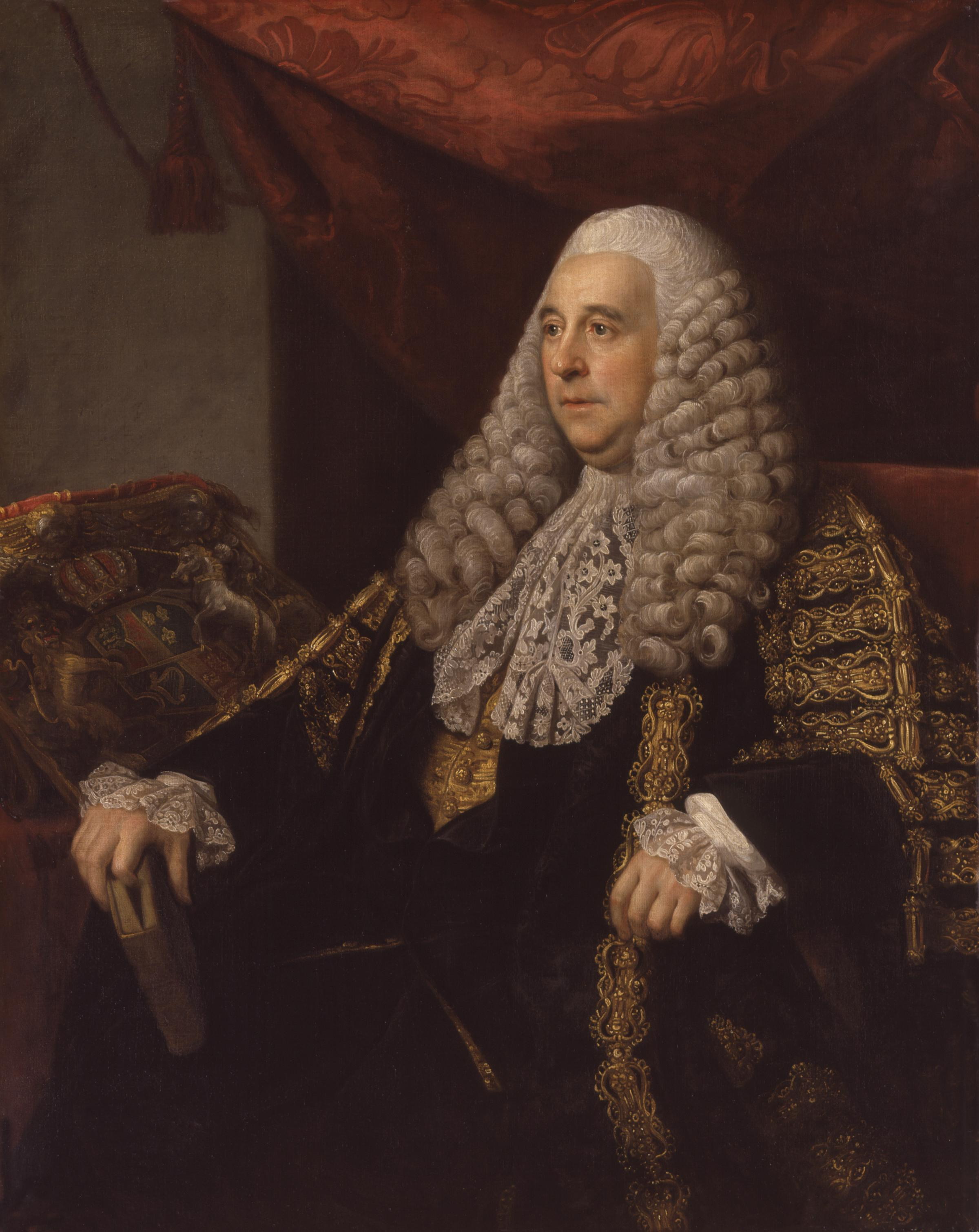
Charles Pratt, 1st Earl Camden
Speech in the House of Lords, on the taxation of Americans by the British parliament, 7 March 1766; as reported in The Oxford Dictionary of Quotations (1990), 2nd edn., p. 60.
“A good corroborating chain, if they fail in the last link, the whole will fall to the ground.”
Charles Pratt, 1st Earl Camden
Wilkes v. Wood (1763), Lofft. 12.
Charles Pratt, 1st Earl Camden
Entick v. Carrington, 19 Howell’s State Trials 1029 (1765), Constitution Society, United States, 2008-11-13 http://www.constitution.org/trials/entick/entick_v_carrington.htm,
Charles Pratt, 1st Earl Camden
Wilkes' Case (1763), 19 How. St. Tr. 1410.


