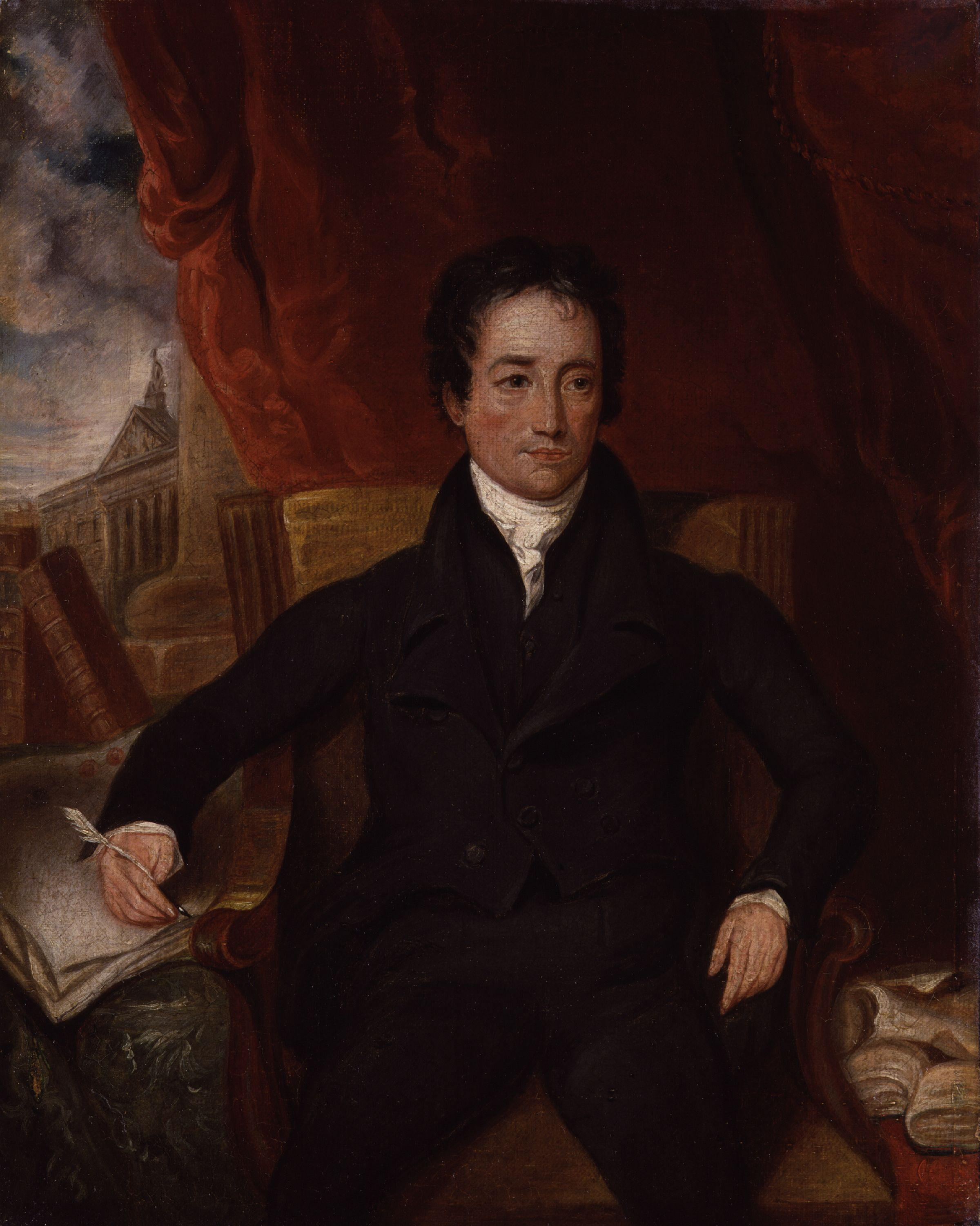
Quoted in "Table Talk" http://books.google.com/books?id=LIxUAAAAcAAJ&q=%22greatest+pleasure+I+know+is+to+do+a+good+action+by+stealth+and+to+have+it+found+out+by+accident%22&pg=PA14#v=onepage in The Athenaeum magazine (4 January 1834).
Works
Last Essays of Elia
Charles Lamb
Essays of Elia
Charles LambLast Essays of Elia
Charles LambEssays of Elia
Charles LambCharles Lamb: 85 quotes9 likes
Famous Charles Lamb Quotes
“Tis the privilege of friendship to talk nonsense, and to have her nonsense respected.”
Source: The Life, Letters and Writings of Charles Lamb
“A poor relation—is the most irrelevant thing in nature.”
Charles Lamb Last Essays of Elia
Poor Relations.
Last Essays of Elia (1833)
Charles Lamb Quotes about life
Letter to Thomas Manning (February 15, 1802)
Charles Lamb Last Essays of Elia
“The superannuated man”
Last Essays of Elia (1833)
Letter to Wordsworth (January 30, 1801)
Charles Lamb Last Essays of Elia
“The superannuated man”
Last Essays of Elia (1833)
Charles Lamb book Essays of Elia
Valentine's Day.
Essays of Elia (1823)
“The good things of life are not to be had singly, but come to us with a mixture.”
Charles Lamb Last Essays of Elia
Popular Fallacies: XIII, That You Must Love Me and Love My Dog.
Last Essays of Elia (1833)
Charles Lamb Quotes about books
Charles Lamb Last Essays of Elia
Popular Fallacies: XI, That We Must Not Look a Gift Horse in the Mouth.
Last Essays of Elia (1833)
Charles Lamb Last Essays of Elia
Detached Thoughts on Books and Reading; reported in Bartlett's Familiar Quotations, 10th ed. (1919)..
Last Essays of Elia (1833)
Charles Lamb Last Essays of Elia
Detached Thoughts on Books and Reading.
Last Essays of Elia (1833)
Charles Lamb Last Essays of Elia
Detached Thoughts on Books and Reading.
Last Essays of Elia (1833)
To the Editor of the Every-Day Book; reported in Bartlett's Familiar Quotations, 10th ed. (1919).
Charles Lamb: Trending quotes
“Lawyers, I suppose, were children once.”
Charles Lamb book Essays of Elia
The Old Benchers of the Inner Temple.
Essays of Elia (1823)
Charles Lamb Quotes
“I love to lose myself in other men's minds.”
Charles Lamb Last Essays of Elia
Detached Thoughts on Books and Reading.
Last Essays of Elia (1833)
“The flouting infidel doth mock when Christians cry”
Lamb's letter to Charles Cowden Clarke, in summer, 1821. As quoted in Works of Charles and Mary Lamb (1905). Letter 263.
In his letter to Vincent Novello, November 8, 1830.
Charles Lamb Last Essays of Elia
“The superannuated man”
Last Essays of Elia (1833)
“And half had staggered that stout Stagirite.”
Written at Cambridge; reported in Bartlett's Familiar Quotations, 10th ed. (1919).
“How sickness enlarges the dimensions of a man's self to himself.”
Charles Lamb Last Essays of Elia
The Convalescent.
Last Essays of Elia (1833)
“He is no lawyer who cannot take two sides.”
Letter to Samuel Rogers (December 21, 1833)
“The mixture spoils two good things, as Charles Lamb (Elia) used to say of brandy and water.”
Abraham Hayward, writing in the Edinburgh Review in 1848.
Attributed
Letter to Thomas Manning (December 26, 1815)<!-- published or quoted where? -->
Charles Lamb Last Essays of Elia
Amicus Redivivus.
Last Essays of Elia (1833)
“The man must have a rare recipe for melancholy, who can be dull in Fleet Street.”
Letter to Thomas Manning (February 15, 1802)
Letter to Coleridge (August 6, 1800)
Composed at midnight, as quoted in The Poetical Works of Charles Lamb, p. 72.
Charles Lamb Last Essays of Elia
“The superannuated man”
Last Essays of Elia (1833)
Charles Lamb book Essays of Elia
A Dissertation upon Roast Pig; reported in Bartlett's Familiar Quotations, 10th ed. (1919).
Essays of Elia (1823)
Letter to Wordsworth (April 26, 1816)
“The Young Catechist” 1827.
“Nay, rather,
Plant divine, of rarest virtue;
Blisters on the tongue would hurt you.”
A Farewell to Tobacco (1805)
“Sentimentally I am disposed to harmony; but organically I am incapable of a tune.”
Charles Lamb book Essays of Elia
A Chapter on Ears; reported in Bartlett's Familiar Quotations, 10th ed. (1919).
Essays of Elia (1823)
My First Play; reported in Bartlett's Familiar Quotations, 10th ed. (1919).
“Thou through such a mist dost show us,
That our best friends do not know us.”
A Farewell to Tobacco (1805)
Autobiographical Recollections (Leslie) ; reported in Bartlett's Familiar Quotations, 10th ed. (1919).
“The red-letter days, now become, to all intents and purposes, dead-letter days.”
Charles Lamb book Essays of Elia
Oxford in the Vacation.
Essays of Elia (1823)
“Riddle of destiny, who can show
What thy short visit meant, or know
What thy errand here below?”
On an Infant Dying as Soon as Born (1827).
Charles Lamb book Essays of Elia
New Year's Eve.
Essays of Elia (1823)
“It is good to love the unknown.”
Charles Lamb book Essays of Elia
Valentine's Day; reported in Bartlett's Familiar Quotations, 10th ed. (1919).
Essays of Elia (1823)
Charles Lamb book Essays of Elia
Imperfect Sympathies.
Essays of Elia (1823)
“When my sonnet was rejected, I exclaimed, 'Damn the age; I will write for Antiquity!”
Letter to Proctor (January 22, 1829), in Oxford Dictionary of Quotations by Subject (2000), p. 526
Charles Lamb book Essays of Elia
The Two Races of Men.
Essays of Elia (1823)
“Presents, I often say, endear absents.”
Charles Lamb book Essays of Elia
A Dissertation upon Roast Pig; reported in Bartlett's Familiar Quotations, 10th ed. (1919).
Essays of Elia (1823)
“Any thing awful makes me laugh. I misbehaved once at a funeral.”
Letter to Southey (August 9, 1815)
“Credulity is the man's weakness, but the child's strength.”
Charles Lamb book Essays of Elia
Witches, and Other Night Fears.
Essays of Elia (1823)
A Vision Of Repentance, as quoted in Works of Charles Lamb and Mary Lamb.
“A clear fire, a clean hearth, and the rigor of the game.”
Charles Lamb book Essays of Elia
Mrs. Battle's Opinions on Whist; reported in Bartlett's Familiar Quotations, 10th ed. (1919).
Essays of Elia (1823)
Charles Lamb book Essays of Elia
The Two Races of Men.
Essays of Elia (1823)
Charles Lamb book Essays of Elia
Oxford in the Vacation.
Essays of Elia (1823)
Letter to Mrs. William Hazlitt (1830)
“I have something more to do than to feel.”
Letter to Coleridge (September 27, 1796), after the death of Lamb's mother.
Letter to John Chambers (1817)
“A pun is a pistol let off at the ear; not a feather to tickle the intellect.”
Charles Lamb Last Essays of Elia
Popular Fallacies: IX, That the Worst Puns Are the Best.
Last Essays of Elia (1833)


