
“Governments do not like to face radical remedies; it is easier to let politics predominate.”
Barbara W. Tuchman book A Distant Mirror
Source: A Distant Mirror (1978), p. 523
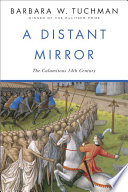
A Distant Mirror: The Calamitous 14th Century is a narrative history book by the American historian Barbara Tuchman, first published by Alfred A. Knopf in 1978.
“Governments do not like to face radical remedies; it is easier to let politics predominate.”
Barbara W. Tuchman book A Distant Mirror
Source: A Distant Mirror (1978), p. 523
“To admit error and cut losses is rare among individuals, unknown among states.”
Barbara W. Tuchman book A Distant Mirror
Source: A Distant Mirror (1978), p. 459
“When commerce with Moslems flourished, zeal for their massacre declined.”
Barbara W. Tuchman book A Distant Mirror
Source: A Distant Mirror (1978), p. 202
“Business, like a jackal, trotted on the heels of war.”
Barbara W. Tuchman book A Distant Mirror
Source: A Distant Mirror (1978), p. 389
“Economic man and sensual man are not suppressible.”
Barbara W. Tuchman book A Distant Mirror
Source: A Distant Mirror (1978), p. xix
“Doctrine tied itself into infinite knots over the realities of sex.”
Barbara W. Tuchman book A Distant Mirror
Source: A Distant Mirror (1978), p. 213
“To put on the garment of legitimacy is the first aim of every coup.”
Barbara W. Tuchman book A Distant Mirror
Source: A Distant Mirror (1978), p. 399
“What is government but an arrangement by which the many accept the authority of the few?”
Barbara W. Tuchman book A Distant Mirror
Source: A Distant Mirror (1978), p. 455
“Chroniclers habitually matched numbers to the awesomeness of the event.”
Barbara W. Tuchman book A Distant Mirror
Source: A Distant Mirror (1978), p. 554
“For most people reform meant relief from ecclesiastical extortions.”
Barbara W. Tuchman book A Distant Mirror
Source: A Distant Mirror (1978), p. 327
Barbara W. Tuchman book A Distant Mirror
or any figure the reader would care to supply
Source: A Distant Mirror (1978)


