“Nothing truly wild is unclean.”
John Muir książka My First Summer in the Sierra
Źródło: My First Summer in the Sierra
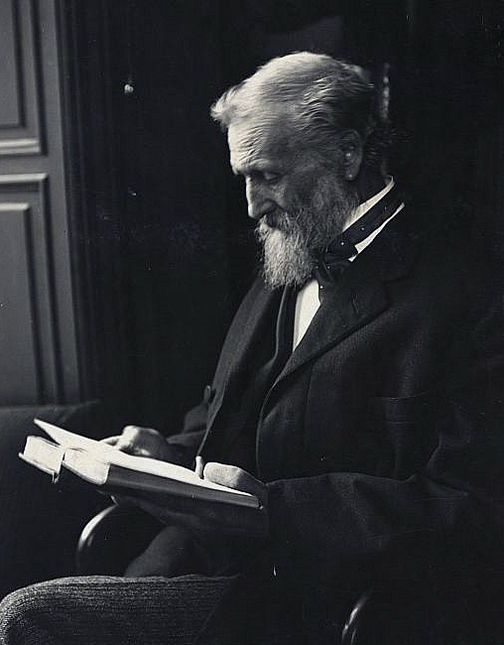
John Muir – szkocko-amerykański przyrodnik, pisarz, filozof środowiska, jeden z pierwszych rzeczników ochrony dzikiej przyrody w Stanach Zjednoczonych.
Jego listy, eseje i książki opowiadające o jego przygodach w dzikich ostępach, zwłaszcza w górach Sierra Nevada w Kalifornii cieszyły się bardzo dużą popularnością i były czytane przez miliony ludzi. Jego aktywne zaangażowanie na rzecz ochrony środowiska naturalnego przyczyniło się do zachowania Yosemite Valley, Parku Narodowego Sekwoi i innych obszarów dzikiej przyrody. Założył Sierra Club – jedno z najważniejszych stowarzyszeń zaangażowanych w ochronę środowiska naturalnego w Stanach Zjednoczonych. Na jego cześć został nazwany liczący 340 km szlak turystyczny w górach Sierra Nevada . Inne miejsca nazwane na jego cześć to m.in.: Muir Woods National Monument, Muir Beach, John Muir College, Mount Muir, Camp Muir oraz lodowiec Muira. W Szkocji jego imieniem nazwano liczący 209 km szlak .
W swoim późniejszym życiu Muir większość czasu poświęcał ochronie zachodnich lasów Ameryki Północnej. Dzięki niemu do Kongresu Stanów Zjednoczonych trafił projekt przyjętej w 1890 roku ustawy tworzącej Park Narodowy Yosemite. Wyrażana w jego dziełach duchowa jakość i entuzjazm wobec natury zainspirowały czytelników, w tym kongresmenów i prezydentów, do podjęcia działań na rzecz ochrony dużych obszarów dzikiej przyrody. Życie Muira, dziś nazywanego „Ojcem Parków Narodowych” , zostało uwiecznione m.in. przez National Park Service w krótkim filmie dokumentalnym.
John Muir jest uznawany za „inspirację dla Szkotów i Amerykanów”. Jego biograf, Steven J. Holmes, uważa że Muir stał się „jednym z patronów działalności środowiskowej dwudziestowiecznej Ameryki”, zarówno politycznej jak i rekreacyjnej. Jego dzieła są często przytaczane i omawiane w książkach i czasopismach, jest również często cytowany przez fotografów przyrody, m.in. przez Ansela Adamsa. „Muir gruntownie ukształtował same kategorie, przez które Amerykanie rozumieją i wyobrażają sobie ich relację ze światem przyrody”, pisze Holmes. Muir był ekologicznym myślicielem, politycznym rzecznikiem i religijnym prorokiem, którego dzieła stały się osobistym przewodnikiem ku naturze dla wielu osób, co uczyniło go „prawie wszechobecnym” we współczesnej świadomości środowiskowej. Według autora Williama Andersona, Muir egzemplifikował „archetyp naszej jedności z ziemią”, natomiast biograf Donald Worster uważa, że misją Muira było „uratowanie amerykańskiej duszy od całkowitego poddania się materializmowi”. 21 kwietnia 2013 roku w Szkocji, w 175. rocznicę urodzin Johna Muira, po raz pierwszy obchodzono John Muir Day, oddając hołd przyrodnikowi. Wikipedia
“Nothing truly wild is unclean.”
John Muir książka My First Summer in the Sierra
Źródło: My First Summer in the Sierra
Travels in Alaska http://www.sierraclub.org/john_muir_exhibit/writings/travels_in_alaska/ (1915), chapter 1: Puget Sound and British Columbia <br class="br">1910s
“We all travel the Milky Way together, trees and men.”
Źródło: " A Wind Storm in the Forests of the Yuba http://books.google.com/books?id=zj2gAAAAMAAJ&pg=PA55", Scribner's Monthly, volume XVII, number 1 (November 1878) pages 55-59 (at page 59); modified slightly and reprinted in The Mountains of California http://www.sierraclub.org/john_muir_exhibit/writings/the_mountains_of_california/ (1894), chapter 10: A Wind-Storm in the Forests <!-- Terry Gifford, EWDB, page 401 --> <br class="br">Kontekst: We all travel the milky way together, trees and men; but it never occurred to me until this storm-day, while swinging in the wind, that trees are travelers, in the ordinary sense. They make many journeys, not very extensive ones, it is true; but our own little comes and goes are only little more than tree-wavings — many of them not so much.
Źródło: John Muir: His Life and Letters and Other Writings
“One should go to the woods for safety, if for nothing else.”
John Muir książka Our National Parks
Źródło: Our National Parks
“When we try to pick out anything by itself, we find it hitched to everything else in the universe.”
John Muir książka My First Summer in the Sierra
Terry Gifford, EWDB, page 248 <br class="br">First line of the documentary film " John Muir in the New World http://www.pbs.org/wnet/americanmasters/episodes/john-muir-in-the-new-world/watch-the-full-documentary-film/1823/" (American Masters), produced, directed, and written by Catherine Tatge. <br class="br">Źródło: 1860s, My First Summer in the Sierra, 1869
Źródło: 1890s, The Mountains of California (1894), chapter 5: The Passes <!-- Terry Gifford, EWDB, page 328 -->
Kontekst: Accidents in the mountains are less common than in the lowlands, and these mountain mansions are decent, delightful, even divine, places to die in, compared with the doleful chambers of civilization. Few places in this world are more dangerous than home. Fear not, therefore, to try the mountain-passes. They will kill care, save you from deadly apathy, set you free, and call forth every faculty into vigorous, enthusiastic action. Even the sick should try these so-called dangerous passes, because for every unfortunate they kill, they cure a thousand.
“I care to live only to entice people to look at Nature's loveliness.”
letter to Mrs. Ezra S. Carr, from Yosemite Valley (7 October 1874); published in William Federic Badè, The Life and Letters of John Muir http://www.sierraclub.org/john_muir_exhibit/life/life_and_letters/default.aspx (1924), chapter 11: On Widening Currents <br class="br">1870s <br class="br">Źródło: Wilderness Essays
“Spring work is going on with joyful enthusiasm.”
Źródło: The Wilderness World of John Muir
“Every hidden cell is throbbing with music and life, every fiber thrilling like harp strings.”
Źródło: The Wilderness World of John Muir
The Yosemite http://www.sierraclub.org/john_muir_exhibit/writings/the_yosemite/ (1912), chapter 15: Hetch Hetchy Valley <!-- Terry Gifford, EWDB, page 716 --> <br class="br">1910s <br class="br">Kontekst: These temple-destroyers, devotees of ravaging commercialism, seem to have a perfect contempt for Nature, and instead of lifting their eyes to the God of the mountains, lift them to the Almighty Dollar. Dam Hetch Hetchy! As well dam for water-tanks the people's cathedrals and churches, for no holier temple has ever been consecrated by the heart of man.
26 June 1875, page 208
John of the Mountains, 1938
John Muir książka Travels in Alaska
Źródło: Travels in Alaska
"Alaska Glaciers: Graphic Description of the Yosemite of the Far Northwest", San Francisco Daily Evening Bulletin (part 5 of 11 part series "Notes of a Naturalist") dated 7 September 1879, published 27 September 1879; reprinted as "Baird Glacier" in Letters from Alaska, edited by Robert Engberg and Bruce Merrell (University of Wisconsin Press, 1993), pages 28-32 (at page 31); modified slightly and reprinted in Travels in Alaska http://www.sierraclub.org/john_muir_exhibit/writings/travels_in_alaska/ (1915), chapter 5, A Cruise in the Cassiar <br class="br">First lines of the documentary film series " The National Parks: America's Best Idea http://www.pbs.org/nationalparks/" by Ken Burns. <br class="br">1910s
" The Yellowstone National Park http://books.google.com/books?id=smQCAAAAIAAJ&pg=PA509", The Atlantic Monthly, volume LXXXI, number 486 (April 1898) pages 509-522 (at pages 515-516); modified slightly and reprinted in Our National Parks http://www.sierraclub.org/john_muir_exhibit/writings/our_national_parks/ (1901), chapter 2: The Yellowstone National Park <br class="br">1900s, Our National Parks (1901)
“I ran home in the moonlight with firm strides; for the sun-love made me strong.”
Źródło: The Wild Muir: Twenty-Two of John Muir's Greatest Adventures
“Come to the woods, for here is rest.”
page 235
John of the Mountains, 1938
John Muir książka My First Summer in the Sierra
Terry Gifford, EWDB, pages 243-244
Źródło: 1860s, My First Summer in the Sierra, 1869