
James Frazer book The Golden Bough
Source: The Golden Bough (1890), Chapter 4, Magic and Religion.
Sir James George Frazer was a Scottish social anthropologist and folklorist influential in the early stages of the modern studies of mythology and comparative religion. His most famous work, The Golden Bough , documents and details the similarities among magical and religious beliefs around the globe. Frazer posited that human belief progressed through three stages: primitive magic, replaced by religion, in turn replaced by science. Wikipedia
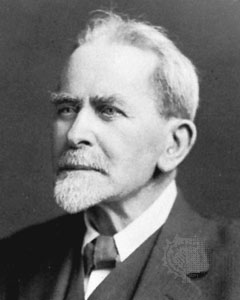
James Frazer book The Golden Bough
Source: The Golden Bough (1890), Chapter 4, Magic and Religion.
James Frazer book The Golden Bough
Source: The Golden Bough (1890), Chapter 5, The Magical Control of the Weather.
James Frazer book The Golden Bough
Source: The Golden Bough (1890), Chapter 18, The Perils of the Soul.
James Frazer book The Golden Bough
Source: The Golden Bough (1890), Chapter 9, The Worship of Trees.
James Frazer book The Golden Bough
Source: The Golden Bough (1890), Chapter 4, Magic and Religion.
James Frazer book The Golden Bough
Source: The Golden Bough (1890), Chapter 64, The Burning of Human Beings in the Fires.
James Frazer book The Golden Bough
from a tree in the sacred grove.
Preface, 1 Brick Court Temple, London, June 1922.
The Golden Bough (1890)
James Frazer book The Golden Bough
Source: The Golden Bough (1890), Chapter 31, Adonis in Cyprus.
James Frazer book The Golden Bough
Source: The Golden Bough (1890), Chapter 3, Sympathetic Magic.
“Ancient magic was the very foundation of religion.”
James Frazer book The Golden Bough
Source: The Golden Bough (1890), Chapter 4, Magic and Religion
James Frazer book The Golden Bough
Source: The Golden Bough (1890), Chapter 5, The Magical Control of the Weather.
“For the present we have journeyed far enough together, and it is time to part.”
James Frazer book The Golden Bough
Source: The Golden Bough (1890), Chapter 69, Farewell to Nemi.
James Frazer book The Golden Bough
Source: The Golden Bough (1890), Chapter 29, The Myth of Adonis.
“From time immemorial the mistletoe has been the object of superstitious veneration in Europe.”
James Frazer book The Golden Bough
Source: The Golden Bough (1890), Chapter 65, Balder and the Mistletoe.
James Frazer book The Golden Bough
Source: The Golden Bough (1890), Chapter 3, Sympathetic Magic.
Context: But once a fool always a fool, and the greater the power in his hands the more disastrous is likely to be the use he makes of it. The heaviest calamity in English history, the breach with America, might never have occurred if George the Third had not been an honest dullard.
James Frazer book The Golden Bough
Source: The Golden Bough (1890), Chapter 4, Magic and Religion.
Context: From the earliest times man has been engaged in a search for general rules whereby to turn the order of natural phenomena to his own advantage, and in the long search he has scraped together a great hoard of such maxims, some of them golden and some of them mere dross. The true or golden rules constitute the body of applied science which we call the arts; the false are magic.
“They too, like so much that to the common eye seems solid, may melt into air, into thin air.”
James Frazer book The Golden Bough
Source: The Golden Bough (1890), Chapter 69, Farewell to Nemi
Context: In the ages to come man may be able to predict, perhaps even to control, the wayward courses of the winds and the clouds, but hardly will his puny hands have strength to speed afresh our slackening planet in its orbit or rekindle the dying fire of the sun. Yet the philosopher who trembles at the idea of such distant catastrophes may console himself by reflecting that these gloomy apprehensions, like the earth and the sun themselves, are only parts of that unsubstantial world which thought has conjured up out of the void, and that the phantoms which the subtle enchantress has evoked to-day she may ban to-morrow. They too, like so much that to the common eye seems solid, may melt into air, into thin air.
“Thus the killing of a god may sometimes come to be confounded with the execution of a criminal.”
James Frazer book The Golden Bough
Source: The Golden Bough (1890), Chapter 57, Public Scapegoats
Context: For when a nation becomes civilized, if it does not drop human sacrifices altogether, it at least selects as victims only such wretches as would be put to death at any rate. Thus the killing of a god may sometimes come to be confounded with the execution of a criminal.
“For myth changes while custom remains constant;”
James Frazer book The Golden Bough
Source: The Golden Bough (1890), Chapter 49, Ancient Deities of Vegetation as Animals.
Context: For myth changes while custom remains constant; men continue to do what their did before them, though the reasons on which their fathers acted have been long forgotten. The history of religion is a long attempt to reconcile old custom with new reason, to find a sound theory for an absurd practice.
James Frazer book The Golden Bough
Source: The Golden Bough (1890), Chapter 3, Sympathetic Magic.
Context: The natives of British Columbia live largely upon the fish which abound in their seas and rivers. If the fish do not come in due season, and the Indians are hungry, A Nootka wizard will make an image of a swimming fish and put it into the water in the direction from which the fish generally appear. This ceremony, accompanied by a prayer to the fish to come, will cause them to arrive at once.
James Frazer book The Golden Bough
Source: The Golden Bough (1890), Chapter 58, Human Scapegoats in Classical Antiquity.
James Frazer book The Golden Bough
Source: The Golden Bough (1890), Chapter 3, Sympathetic Magic (See also: the Noble savage).
James Frazer book The Golden Bough
Source: The Golden Bough (1890), Chapter 57, Public Scapegoats.
“The advance of knowledge is an infinite progression towards a goal that ever recedes.”
James Frazer book The Golden Bough
Source: The Golden Bough (1890), Chapter 69, Farewell to Nemi.
James Frazer book The Golden Bough
Source: The Golden Bough (1890), Chapter 68, The Golden Bough.
James Frazer book The Golden Bough
Source: The Golden Bough (1890), Chapter 1, The King of the Wood.
James Frazer book The Golden Bough
Source: The Golden Bough (1890), Chapter 69, Farewell to Nemi.
James Frazer book The Golden Bough
Source: The Golden Bough (1890), Chapter 4, Magic and Religion.
James Frazer book The Golden Bough
Source: The Golden Bough (1890), Chapter 18, The Perils of the Soul.
“In point of fact magicians appear to have often developed into chiefs and kings.”
James Frazer book The Golden Bough
Source: The Golden Bough (1890), Chapter 6, Magicians as Kings.
James Frazer book The Golden Bough
Source: The Golden Bough (1890), Chapter 3, Sympathetic Magic.
James Frazer book The Golden Bough
Source: The Golden Bough (1890), Chapter 4, Magic and Religion.
James Frazer book The Golden Bough
Source: The Golden Bough (1890), Chapter 27, Succession to the Soul.
James Frazer book The Golden Bough
Source: The Golden Bough (1890), Chapter 29, The Myth of Adonis
James Frazer book The Golden Bough
Source: The Golden Bough (1890), Chapter 3, Sympathetic Magic.
James Frazer book The Golden Bough
Source: The Golden Bough (1890), Chapter 21, Tabooed Things, § I : The Meaning of Taboo.
James Frazer book The Golden Bough
Source: The Golden Bough (1890), Chapter 55, The Transference of Evil.
“The scapegoat upon whom the sins of the people are periodically laid, may also be a human being.”
James Frazer book The Golden Bough
Source: The Golden Bough (1890), Chapter 57, Public Scapegoats.
James Frazer book The Golden Bough
Source: The Golden Bough (1890), Chapter 64, The Burning of Human Beings in the Fires (spelling as per text).
James Frazer book The Golden Bough
Source: The Golden Bough (1890), Chapter 56, The Public Expulsion of Evils.
“The world cannot live at the level of its great men.”
James Frazer book The Golden Bough
Source: The Golden Bough (1890), Chapter 37, Oriental Religions in the West.
James Frazer book The Golden Bough
Source: The Golden Bough (1890), Chapter 17, The Burden of Royalty
James Frazer book The Golden Bough
Source: The Golden Bough (1890), Chapter 4, Magic and Religion.
“Yet perhaps no sacrifice is wholly useless which proves there are men who prefer honour to life.”
James Frazer book The Golden Bough
Source: The Golden Bough (1890), Chapter 24, The Killing of the Divine King.
James Frazer book The Golden Bough
Source: The Golden Bough (1890), Chapter 64, The Burning of Human Beings in the Fires.
James Frazer book The Golden Bough
Source: The Golden Bough (1890), Chapter 24, The Killing of the Divine King.
James Frazer book The Golden Bough
Source: The Golden Bough (1890), Chapter 7, Incarnate Human Gods.
James Frazer book The Golden Bough
Source: The Golden Bough (1890), Chapter 69, Farewell to Nemi.
James Frazer book The Golden Bough
Source: The Golden Bough (1890), Chapter 56, The Public Expulsion of Evils.
James Frazer book The Golden Bough
Source: The Golden Bough (1890), Chapter 69, Farewell to Nemi


