“A mathematician may say anything he pleases, but a physicist must be at least partially sane.”
Quoted in R. B. Lindsay, "On the Relation of Mathematics and Physics," Scientific Monthly 59, 456 (Dec. 1944)
Attributed
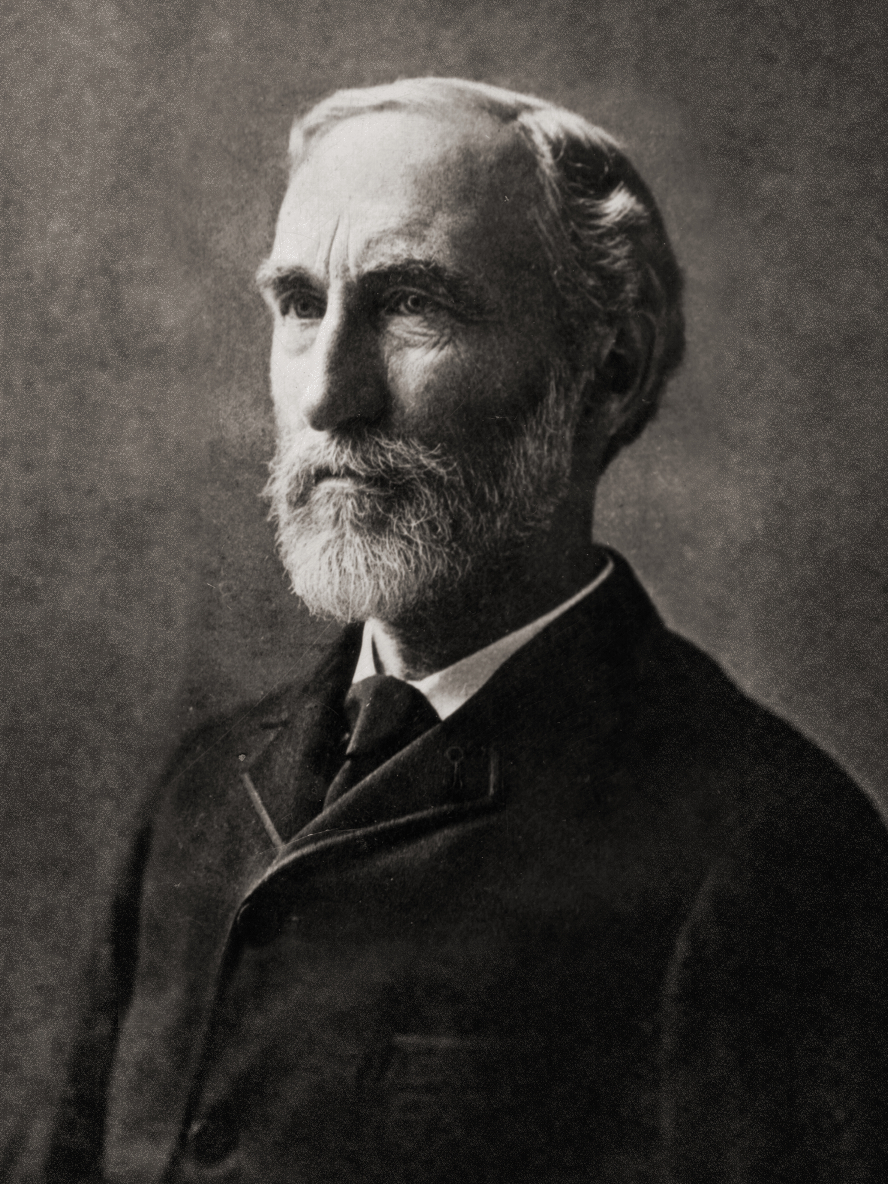
Josiah Willard Gibbs amerikai tudós, aki a statisztikus fizika, a fizikai kémia és a matematika tudományok területén ért el kiemelkedő elméleti eredményeket. Termodinamikai munkásságával szilárd elméleti alapot szolgáltatott a fizikai kémiának, így nagy szerepet játszott induktív tudománnyá válásában. James Clerk Maxwell-lel és Ludwig Boltzmannal együtt megteremtette a statisztikus mechanikát , a termodinamika törvényeit pedig nagyszámú részecske statisztikus viselkedéséből, az ún. statisztikus sokaságból vezette le. Dolgozott a Maxwell-egyenletek optikai alkalmazásán, matematikusként pedig megteremtette a modern vektorszámítást .
1863-ban az Amerikai Egyesült Államokban elsőként szerzett mérnöki tudományokból doktorátust a Yale Egyetemen. 1871-től haláláig a Yale Egyetem matematikai fizika professzora. Amerikai elméleti tudósként elsőként vált nemzetközileg elismertté szakmájában, Einstein az „amerikai történelem legnagyobb elméjének” nevezte. 1901-ben az akkoriban legmagasabb kitüntetésnek számító Copley-éremmel jutalmazták a matematikai fizikában elért sikereiért.
Életrajzírói Gibbset rendkívüli eredményei ellenére igen szerény és csendes embernek írják le. Annak ellenére, hogy munkássága szinte majdnem teljesen elméleti jellegű, gyakorlati jelentősége a kémiai technológiai iparág megjelenésével vált egyértelművé a 20. század első felében. Robert Millikan szerint jelentősége a statisztikus mechanika és termodinamika területén Laplace égi mechanikai eredményeivel, valamint Maxwell elektrodinamikai teljesítményével egyenértékű. Wikipedia
“A mathematician may say anything he pleases, but a physicist must be at least partially sane.”
Quoted in R. B. Lindsay, "On the Relation of Mathematics and Physics," Scientific Monthly 59, 456 (Dec. 1944)
Attributed
From the preface to Elementary Principles in Statististical Mechanics (1902), p. viii. Full book https://archive.org/details/elementaryprinc00gibbgoog
From Gibbs's letter accepting the Rumford Medal (1881). Quoted in A. L. Mackay, Dictionary of Scientific Quotations (London, 1994).
At a Yale faculty meeting, during a discussion of language requirements in the undergraduate curriculum. Quoted in Muriel Rukeyser, Willard Gibbs (Garden City, NY: Doubleday, Doran & Co., 1942), p. 280.
Attributed
Quoted by C. S. Hastings in "Biographical Memoir of Josiah Willard Gibbs 1839-1903," National Academy of Sciences Biographical Memoirs, vol. VI (Washington, D.C.: National Academy of Sciences, 1909), p. 390. Complete memoir http://books.nap.edu/html/biomems/jgibbs.pdf <br class="br">Attributed
From Gibbs's obituary for Rudolf Clausius (1889). See The Collected Works of J. Willard Gibbs, vol. 2 (New York: Longmans, Green and Co., 1928), p. 267. Complete volume http://www.archive.org/details/collectedworksj00longgoog
“The whole is simpler than its parts.”
Quoted by Irving Fisher in "The Applications of Mathematics to the Social Sciences," Bulletin of the American Mathematical Society 36, 225-243 (1930). Full article http://projecteuclid.org/euclid.bams/1183493954 <br class="br">Attributed
“Anyone having these desires will make these researches.”
About his own scientific work. Quoted in Muriel Rukeyser, Willard Gibbs (Garden City, NY: Doubleday, Doran & Co., 1942), p. 431.
Attributed
From Gibbs's obituary for Hubert Anson Newton (1897), in the Biographical Memoirs of the National Academy of Sciences http://www.nasonline.org/publications/biographical-memoirs/memoir-pdfs/hubert-newton.pdf.
From the preface to Elementary Principles in Statististical Mechanics (1902), p. ix.
Quoted in Muriel Rukeyser, Willard Gibbs (Garden City, NY: Doubleday, Doran & Co., 1942), p. 4.
Attributed