“Learning to ignore things is one of the great paths to inner peace.”
Robert J. Sawyer livre Calculating God
Source: Calculating God (2000), Chapter 14 (p. 137)
Robert James Sawyer, né le 29 avril 1960 à Ottawa en Ontario, est un écrivain de science-fiction canadien. Auteur de plus de vingt romans, il a publié de nombreuses nouvelles dans les magazines Analog Science Fiction and Fact, Amazing Stories, ou dans la revue Nature. Il est lauréat de plus de 40 prix littéraires, dont le prix Nebula du meilleur roman , le grand prix de l'Imaginaire , le prix Hugo du meilleur roman , et le prix John-Wood-Campbell Memorial . En 2013, il est récompensé pour l'ensemble de son œuvre par le prix Aurora du Lifetime Achievement . Wikipedia
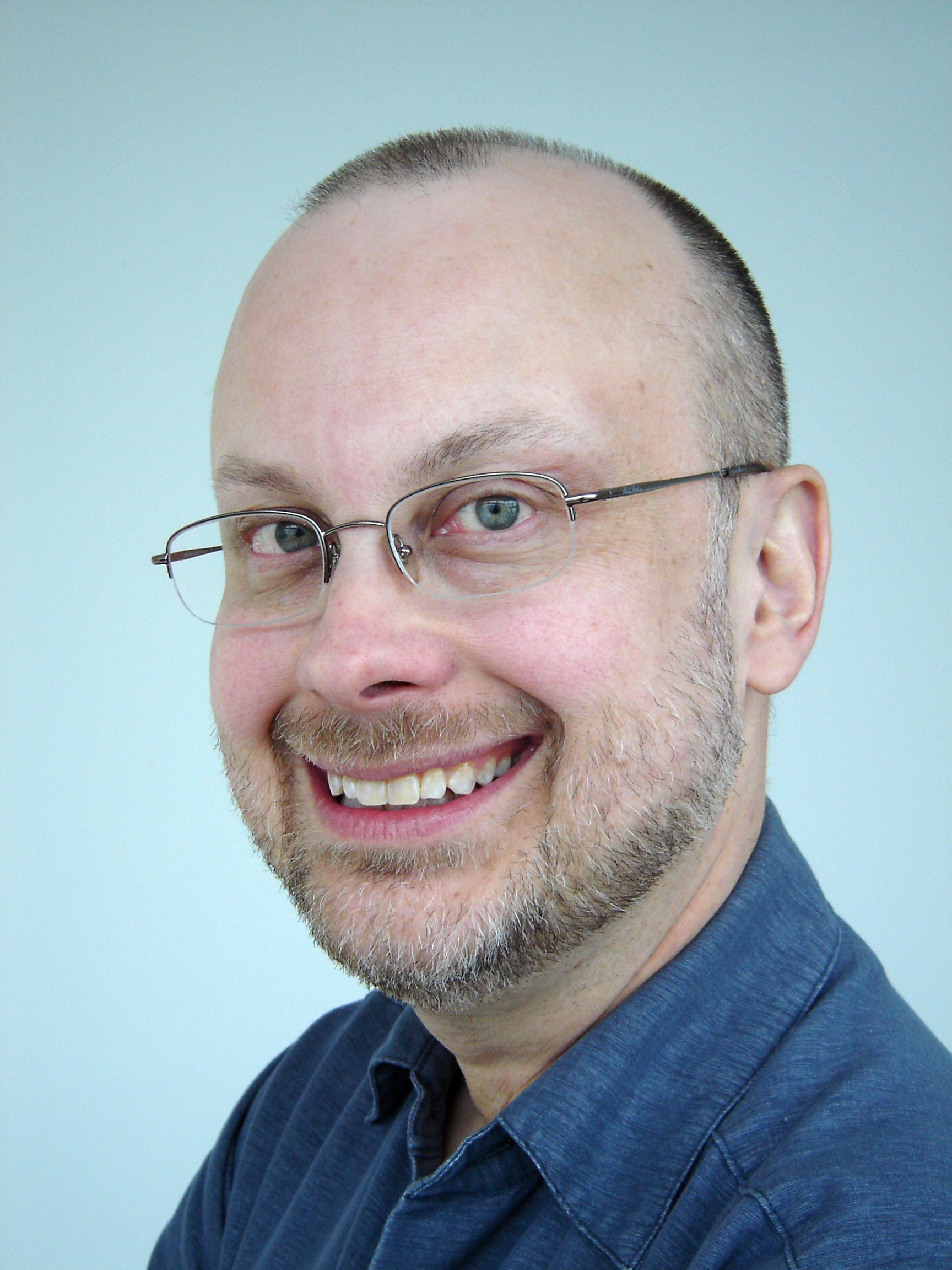
“Learning to ignore things is one of the great paths to inner peace.”
Robert J. Sawyer livre Calculating God
Source: Calculating God (2000), Chapter 14 (p. 137)
“Naturally, one does not normally discuss plans to commit murder with the intended victim.”
Robert J. Sawyer livre Flashforward
Source: Flashforward
“Still, you must know that the fear of death is irrational; death comes to everyone.”
Robert J. Sawyer livre Calculating God
Source: Calculating God (2000), Chapter 25 (p. 235)
“Free will is an illusion. It is synonymous with incomplete perception.”
Robert J. Sawyer livre Flashforward
Source: Flashforward (1999), Chapter 12 epigram (p. 123; quoting Walter Kubilius)
Robert J. Sawyer livre Frameshift
Source: Frameshift (1997), Chapter 41 (p. 326; apparently quoting George Bernard Shaw)
“Not wanting to die was another universal constant, it seemed.”
Robert J. Sawyer livre Calculating God
Source: Calculating God (2000), Chapter 6 (p. 70)
“He who foresees calamities suffers them twice over.”
Robert J. Sawyer livre Flashforward
Source: Flashforward (1999), Chapter 1 epigram (p. 9; quoting Beilby Porteus)
Robert J. Sawyer livre Calculating God
Source: Calculating God (2000), Chapter 24 (p. 227)
Robert J. Sawyer livre Calculating God
Source: Calculating God (2000), Chapter 34 (p. 326)
“He cursed himself for thinking anything this complex would end up not being a source of problems.”
Robert J. Sawyer livre Frameshift
Source: Frameshift (1997), Chapter 26 (p. 184)
Robert J. Sawyer livre Calculating God
Source: Calculating God (2000), Chapter 17 (p. 165)
Robert J. Sawyer livre Flashforward
Source: Flashforward (1999), Chapter 13 (p. 137)
“You humans seem to have a profound capacity for ignoring obvious evidence.”
Robert J. Sawyer livre Calculating God
Source: Calculating God (2000), Chapter 2 (p. 23)
Robert J. Sawyer livre Calculating God
Source: Calculating God (2000), Chapter 14 (p. 140)
“…but there, because there is no grace of God, go I.”
Robert J. Sawyer livre Frameshift
Source: Frameshift (1997), Chapter 25 (p. 179)
Robert J. Sawyer livre Calculating God
Source: Calculating God (2000), Chapter 21 (p. 204)
Robert J. Sawyer livre Calculating God
Source: Calculating God (2000), Chapter 17 (p. 170)
Robert J. Sawyer livre Frameshift
Source: Frameshift (1997), Chapter 3 (p. 30)
“There may be oodles of possible humans, but it is a finite number.”
Robert J. Sawyer livre Flashforward
Source: Flashforward (1999), Chapter 16 (p. 167)
Robert J. Sawyer livre Calculating God
Source: Calculating God (2000), Chapter 24 (pp. 230-231)
Robert J. Sawyer livre Calculating God
Source: Calculating God (2000), Chapter 7 (p. 77)
Robert J. Sawyer livre Calculating God
The Wreed wavered and vanished.
Source: Calculating God (2000), Chapter 32 (p. 309; ellipsis represents a minor elision of description)
Robert J. Sawyer livre Flashforward
Source: Flashforward (1999), Chapter 9 (pp. 95-96)


