Albert Bandura Self-efficacy mechanism in human agency
[Albert Bandura, 1982, Self-efficacy mechanism in human agency, American Psychologist, 37, 2, 122-147, 10.1037/0003-066X.37.2.122, 0003-066X] (p. 127)
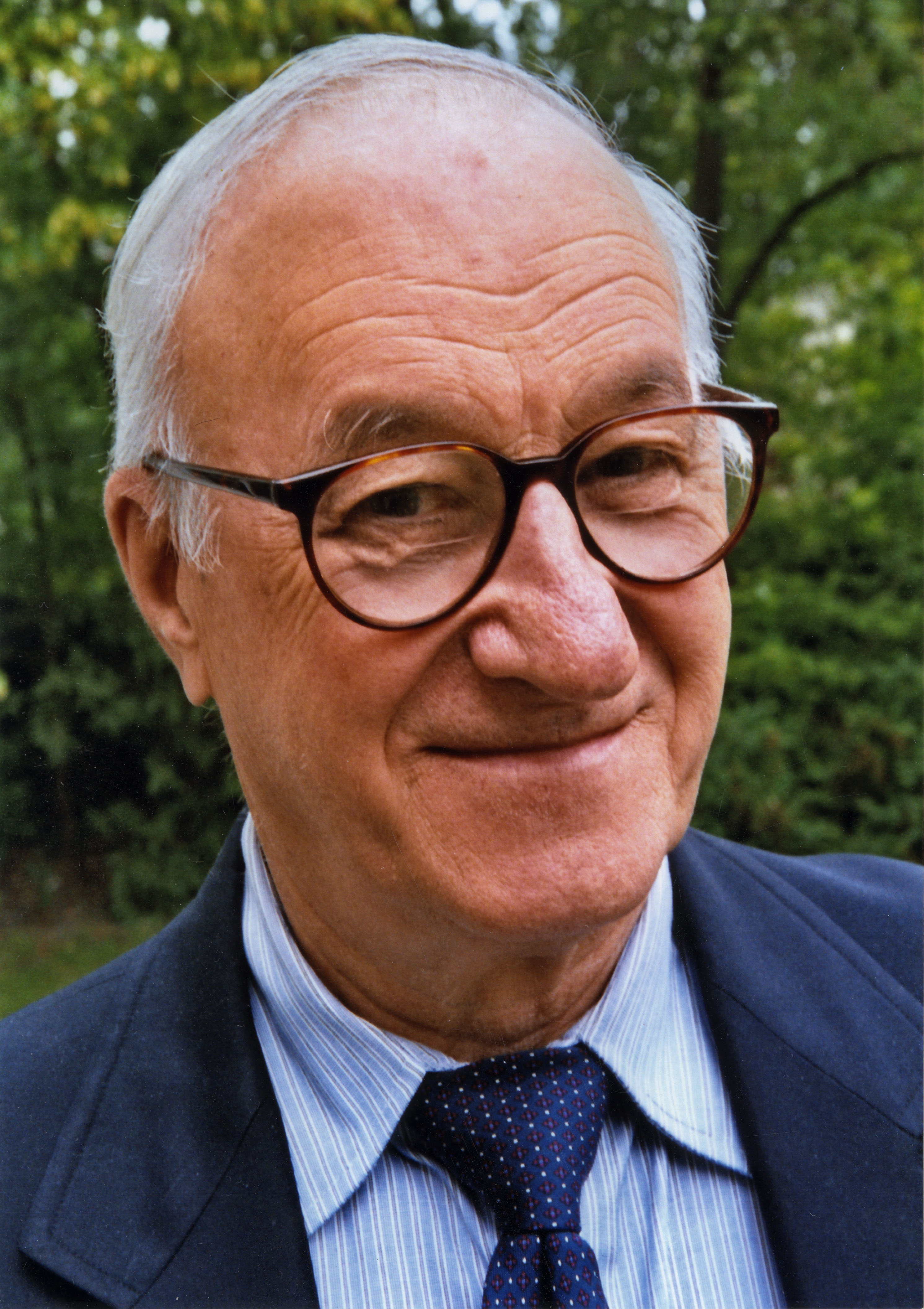
Albert Bandura, O.C. est un psychologue canadien et professeur émérite de psychologie à l'université Stanford.
Précurseur du courant de la psychologie sociale en Amérique du Nord, considéré comme l'un des chercheurs en psychologie les plus influents du XXe siècle, selon l'étude officielle Review of General Psychology , il est connu pour sa théorie de l'apprentissage social, qu'il a renommée théorie sociale cognitive en 1986, et les concepts relatifs à cette théorie en particulier le concept d'auto-efficacité . Wikipedia
Albert Bandura Self-efficacy mechanism in human agency
[Albert Bandura, 1982, Self-efficacy mechanism in human agency, American Psychologist, 37, 2, 122-147, 10.1037/0003-066X.37.2.122, 0003-066X] (p. 127)
“Self-belief does not necessarily ensure success, but self-disbelief assuredly spawns failure.”
Albert Bandura livre Self-Efficacy
[Self-efficacy: The exercise of control, Bandura, Albert, w:Albert Bandura, 1997, W. H. Freeman, New York, 9780716728504, http://books.google.com/books?id=eJ-PN9g_o-EC&printsec=frontcover&dq=bandura+isbn:9780716728504&hl=en&ei=HAwYTbKsLpTmsQPp8cCPCg&sa=X&oi=book_result&ct=result&resnum=1&ved=0CCMQ6AEwAA#v=onepage&q&f=false] (p. 77)
Albert Bandura Self-efficacy mechanism in human agency
[Albert Bandura, 1982, Self-efficacy mechanism in human agency, American Psychologist, 37, 2, 122-147, 10.1037/0003-066X.37.2.122, 0003-066X] (p. 123) (appears also in Bandura's Social Foundations of Thought and Action, 1986, p. 394)


