Julien Offray de La Mettrie könyv Man a Machine
p, 125
Man a Machine (1747)
Julien Jean Offray de La Mettrie , francia orvos és filozófus.
Egyfajta mechanikus materializmust képviselt; nézetei miatt menekülnie kellett Franciaországból. 1748-ban Hollandiában jelentette meg L'homme machine című írását; emiatt újfent menekülnie kellett. Poroszországban kapott menedékjogot, ahol II. Frigyes szabadgondolkodó asztaltársaságának volt tagja.
Saját maga a Discours sur le bonheur című művét tartotta főművének, kiegészítve a L'art de jouir című írással. Az abban foglalt théorie des remords erkölcsileg olyannyira elvetendőnek számított, hogy az aufklérista filozófusok kivétel nélkül elhatárolódtak La Mettrie-től, pontosabban: nemkívánatos személlyé, páriává tették.
Halálát a hagyomány szerint szarvasgomba-pástétom mértéktelen fogyasztása okozta. Wikipedia
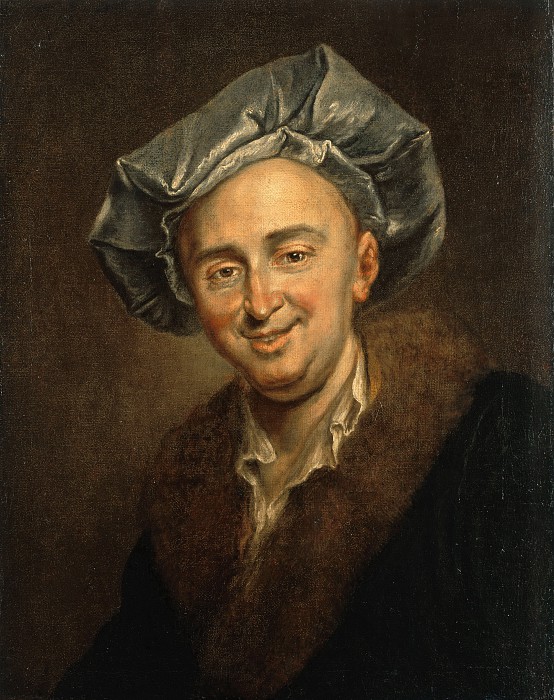
Julien Offray de La Mettrie könyv Man a Machine
p, 125
Man a Machine (1747)
“[A] brilliant man is his own best company, unless he can find other company of the same sort.”
Julien Offray de La Mettrie könyv Man a Machine
Man a Machine (1747)
“What was man before the invention of words and the knowledge of language? An animal..”
Julien Offray de La Mettrie könyv Man a Machine
p, 125
Man a Machine (1747)
“The human body is a machine which winds its own springs.”
Julien Offray de La Mettrie könyv Man a Machine
Man a Machine (1747)
Julien Offray de La Mettrie könyv Man a Machine
p, 125
Man a Machine (1747)
Julien Offray de La Mettrie könyv Man a Machine
p, 125
Man a Machine (1747)
“[I]magination is the soul, since it plays all the roles of the soul.”
Julien Offray de La Mettrie könyv Man a Machine
p, 125
Man a Machine (1747)
It was held that, through one of these attributes, this substance has the capacity for moving and, through the other, the capacity for being moved.
Forrás: The Natural History of the Soul (1745), Ch. V Concerning the Moving Force of Matter