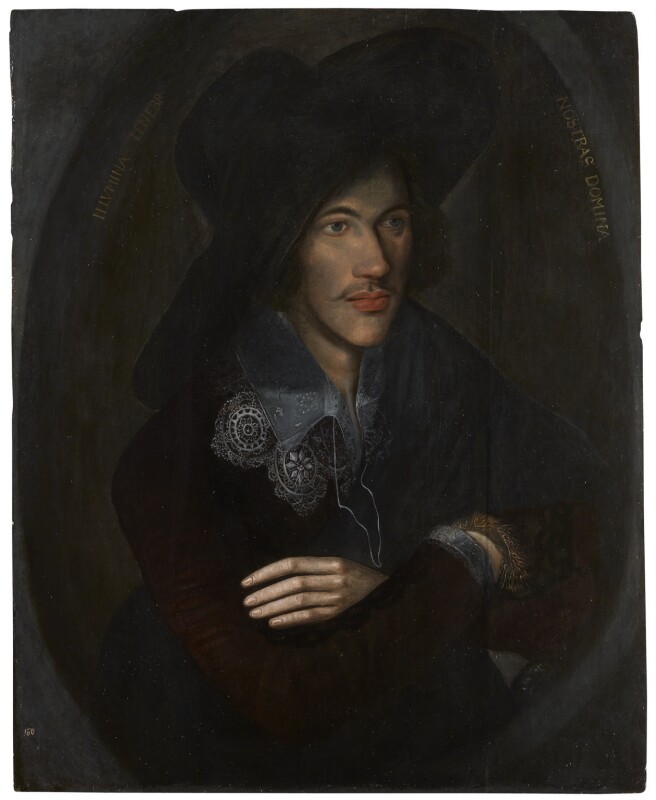
John Donne idézetek
John Donne: Idézetek angolul
“I am a little world made cunningly
Of elements, and an angelic sprite.”
John Donne könyv Holy Sonnets
No. 5, line 1
Holy Sonnets (1633)
“Never send to know for whom the bells tolls; it tolls for thee.”
Forrás: No man is an island – A selection from the prose
The Anniversary, last stanza
Forrás: The Complete English Poems
“I did best when I had least truth for my subjects.”
Forrás: The Complete Poetry and Selected Prose
“What if this present were the world's last night?”
John Donne könyv Holy Sonnets
No. 13, line 1
Holy Sonnets (1633)
Meditation 13
Devotions Upon Emergent Occasions (1624)
“The flea, though he kill none, he does all the harm he can.”
Meditation 12
Devotions Upon Emergent Occasions (1624)
“One short sleep past, we wake eternally,
And death shall be no more; Death, thou shalt die.”
John Donne könyv Holy Sonnets
No. 10, line 13
Holy Sonnets (1633)
“Let not one bring Learning, another Diligence, another Religion, but every one bring all.”
Meditation 7
Devotions Upon Emergent Occasions (1624)
IV. Mediscque Vocatur; The physician is sent for.
Devotions Upon Emergent Occasions (1624)
“Those set our hairs, but these our flesh upright.”
John Donne könyv Elegy XIX: To His Mistress Going to Bed
No. 19, To His Mistress Going to Bed, line 24
Elegies
Divine Poems, "On the Sacrament"; attributed by many writers to Elizabeth I. It is not in the original edition of Donne, but first appears in the edition of 1654, p. 352.
Disputed
Satyre III (c. 1598)
“All whom war, dearth, age, agues, tyrannies,
Despair, law, chance, hath slain.”
John Donne könyv Holy Sonnets
No. 7, line 6
Holy Sonnets (1633)
IV. Mediscque Vocatur The physician is sent for
Devotions Upon Emergent Occasions (1624)
Break of Day, stanza 1
“Whilst my physicians by their love are grown
Cosmographers, and their map, who lie
Flat on this bed.”
Hymn to God My God, in My Sickness, stanza 2
Song (Go and Catch a Falling Star), stanzas 2-3
A Valediction Forbidding Mourning, stanza 4