Robert Chambers (publisher, born 1802) livre Vestiges of the Natural History of Creation
Source: Vestiges of the Natural History of Creation (1844), p. 310
Robert Chambers, né le 10 juillet 1802 à Peebles en Écosse et mort le 17 mars 1871 à St Andrews, est un naturaliste, éditeur et écrivain écossais.
Libraire à succès à Édimbourg, il écrivit de nombreux livres sur l'histoire et le folklore de l'Écosse. Avec son frère William, il était aussi éditeur d'ouvrages d'éducation populaire. Il se rendit célèbre pour trois œuvres majeures : sa Cyclopaedia of English Literature en trois tomes , ses Vestiges of the Natural History of Creation qu'il publia anonymement en 1844 car il y proposait une théorie de l'évolution et enfin en 1864 son Book of Days .. Wikipedia
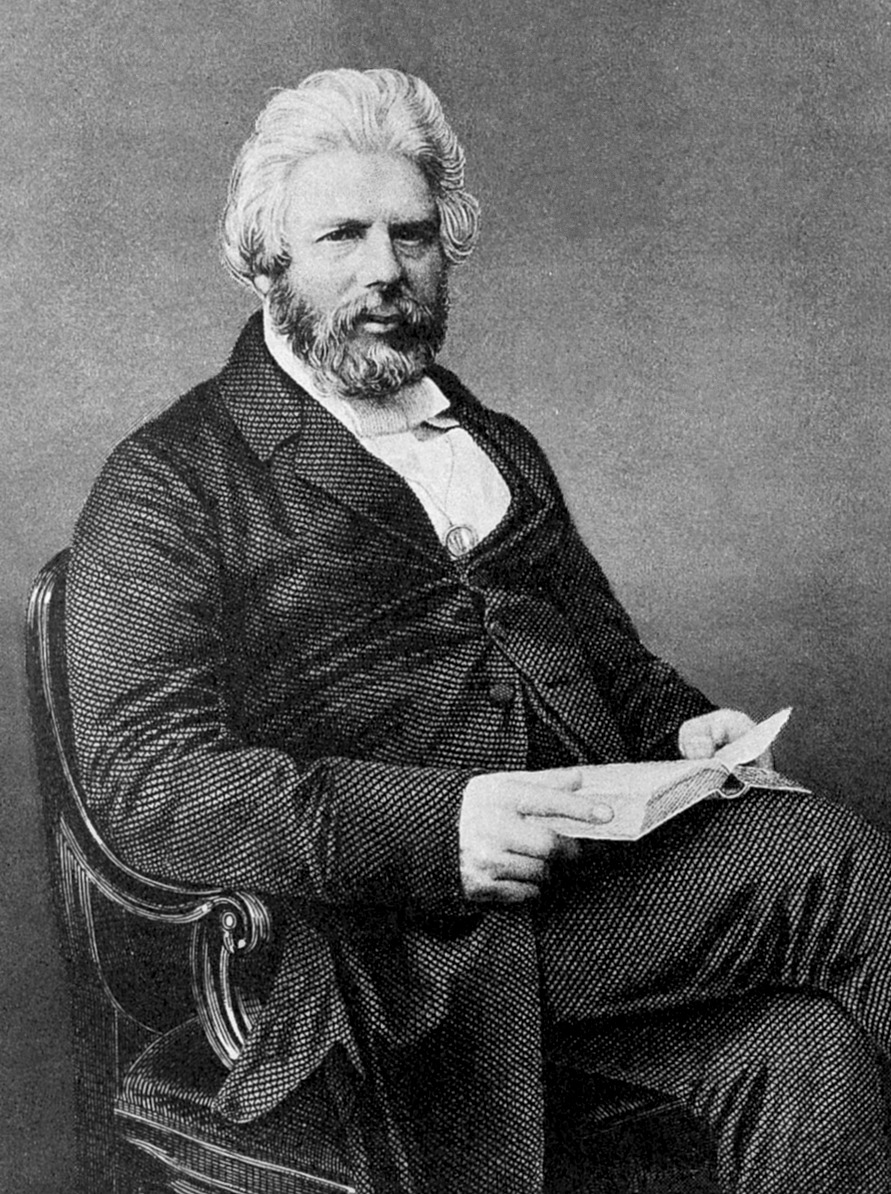
Robert Chambers (publisher, born 1802) livre Vestiges of the Natural History of Creation
Source: Vestiges of the Natural History of Creation (1844), p. 310
“A parish where life is precarious pays more poor-rates than its neighbors.”
Robert Chambers (publisher, born 1802)
Source: Sanitary Economy (1850), p. 12
Robert Chambers (publisher, born 1802) livre Vestiges of the Natural History of Creation
Source: Vestiges of the Natural History of Creation (1844), p. 60
Robert Chambers (publisher, born 1802) livre Vestiges of the Natural History of Creation
Source: Vestiges of the Natural History of Creation (1844), p. 3-4
Robert Chambers (publisher, born 1802)
Source: Sanitary Economy (1850), p. 12
Robert Chambers (publisher, born 1802) livre Vestiges of the Natural History of Creation
Source: Vestiges of the Natural History of Creation (1844), p. 281-282
Robert Chambers (publisher, born 1802) livre Vestiges of the Natural History of Creation
Source: Vestiges of the Natural History of Creation (1844), p. 250
“Phenomena appear, in a word, to be explicable on the ground of development.”
Robert Chambers (publisher, born 1802) livre Vestiges of the Natural History of Creation
We have already seen that various leading animal forms represent stages in the embryotic progress of the highest—the human being. Our brain goes through the various stages of a fish's, a reptile's, and a mammifer's brain, and finally becomes human.
Source: Vestiges of the Natural History of Creation (1844), p. 306
Robert Chambers (publisher, born 1802) livre Vestiges of the Natural History of Creation
Source: Vestiges of the Natural History of Creation (1844), p. 60
Robert Chambers (publisher, born 1802) livre Vestiges of the Natural History of Creation
We live at a time when many have been formed and many are still forming.
Source: Vestiges of the Natural History of Creation (1844), p. 20